एक सामान्य भ्रांति को सुलझाना — तांत्रिक और वैदिक अनुष्ठान विपरीत नहीं हैं, वे पूरक विधियाँ हैं।
कई भक्त जो पहली बार हमसे जुड़ते हैं, एक विशेष धारणा लेकर आते हैं: कि तंत्र अंधकारमय, भयावह, या किसी तरह वैदिक अनुष्ठान से कम वैध है; कि एकमात्र उचित हिंदू मार्ग वैदिक है और तांत्रिक कही जाने वाली किसी भी चीज़ से बचना चाहिए। यह विचार व्यापक है, और यह भ्रामक है। यह अपेक्षाकृत नया भी है — उपनिवेश-युग के विद्वत्ता द्वारा उत्पन्न एक विकृति और बीसवीं सदी के सुधार आंदोलनों द्वारा पुष्ट की गई है जिन्होंने इसे सुधारा जाने योग्य नहीं समझा।
ईमानदार स्थिति, वास्तविक ग्रंथों के सावधानीपूर्वक अध्ययन और कभी न बाधित हुई परंपराओं में जीवित अभ्यास द्वारा समर्थित, यह है: तंत्र और वेद दो विधियाँ हैं, दो धर्म नहीं। वे समान देवताओं को साझा करते हैं। वे समान आध्यात्मिक आधार साझा करते हैं। वे समान नैतिक मूल साझा करते हैं। जहाँ वे भिन्न हैं, वह उन समस्याओं के एक ही समूह के लिए उपयोग की जाने वाली तकनीकी प्रणालियों में है।
वैदिक धारा मंत्र जप, निर्धारित मुद्राओं औरT offerings के साथ यज्ञ, और चार वेदों और उनके सहायक साहित्य से प्राप्त एक अनुष्ठान व्याकरण पर जोर देती है। इसकी शक्ति प्रक्रियात्मक स्पष्टता, सामुदायिक अभ्यास और जीवन की व्यापक परिस्थितियों में पहुंच है। तांत्रिक धारा दीक्षा-आधारित दीक्षा, बीज-मंत्र-केंद्रित साधना, यंत्र और चक्र अभ्यास, और देवी को प्राथमिक ब्रह्मांडीय सिद्धांत के रूप में एक विस्तृत ब्रह्मांड विज्ञान पर जोर देती है। इसकी शक्ति व्यक्तिगत परिवर्तन की गहराई और असामान्य तीव्रता की स्थितियों को संबोधित करने की क्षमता है।
महाविद्याएँ — जिनमें माँ बगलामुखी भी शामिल हैं — दोनों धाराओं में सम्मानीय हैं। वैदिक धारा स्तोत्र पाठ, औपचारिक पूजा और शास्त्रीय सामग्री के साथ यज्ञ के माध्यम से उनसे संपर्क करती है। तांत्रिक धारा दीक्षा द्वारा प्रदत्त बीज मंत्रों, यंत्र पूजा और गहन अनुष्ठानों के माध्यम से उनसे संपर्क करती है। आज अधिकांश कार्यरत आचार्य जिसे उचित रूप से तंत्र-युक्त-वैदिक अनुष्ठान कहा जाता है, उसे करते हैं: एक संयुक्त दृष्टिकोण जो दोनों विधियों का उपयोग करता है, तांत्रिक गहराई ऊर्जावान मूल प्रदान करती है और वैदिक संरचना प्रक्रियात्मक ढाँचा प्रदान करती है।
यह गलत धारणा कि तंत्र अंधकारमय है, इसके कई स्रोत हैं। एक वामाचार है — वाम-मार्ग के अभ्यास — जो तंत्र का एक छोटा उपसमूह हैं जो विशिष्ट श्मशान साधनाओं से जुड़े हैं। ये वास्तविक हैं, लेकिन ये वह नहीं हैं जिनसे अधिकांश भक्त मिलते हैं, और ये वह नहीं हैं जो प्रतिष्ठित आचार्य सिखाते हैं। तंत्र का विशाल बहुमत दक्षिण-मार्ग का अभ्यास है — दक्षिणाचार — और इसकी नैतिक रूपरेखा में धर्मनिष्ठ वैदिक अभ्यास से अप्रभेद्य है।
गलतफहमी का एक और स्रोत अयोग्य व्यक्तियों का विपणन है जो खुद को तांत्रिक के रूप में प्रस्तुत करते हैं और उच्च शुल्क के लिए सनसनीखेज सेवाएं प्रदान करते हैं। ये व्यक्ति मौजूद हैं। उनकी कोई परंपरा नहीं है, कोई दीक्षा नहीं है, कोई वास्तविक अनुष्ठान ज्ञान नहीं है। वे संकट में फंसे भक्तों का शिकार करते हैं। तथ्य यह है कि वे मौजूद हैं और उनमें से कुछ खुद को तांत्रिक कहते हैं, यह परंपरा को उतना ही अमान्य नहीं करता जितना कि धोखाधड़ी वाले पुजारियों का अस्तित्व वैदिक परंपरा को अमान्य करता है। इसका सीधा सा मतलब है कि भक्तों को विवेक का प्रयोग करना चाहिए।
एक भक्त तांत्रिक-वैदिक आचार्य की वैधता का मूल्यांकन कैसे करता है? कई प्रश्न सहायक होते हैं। सबसे पहले, क्या आचार्य अपने गुरु का और अपने गुरु के गुरु का नाम बता सकते हैं — वह परम्परा जिसके माध्यम से दीक्षा प्राप्त हुई थी? एक वास्तविक आचार्य इसका उत्तर बिना किसी हिचकिचाहट के देते हैं। दूसरे, क्या वे उस मूलपीठ या मंदिर को इंगित कर सकते हैं जिससे वे संबद्ध हैं, और उन ग्रंथों को जिनसे उनकी विधियाँ ली गई हैं? तीसरे, क्या वे किसी अनुष्ठान का प्रस्ताव करने से पहले आपकी स्थिति की विस्तार से जांच करने पर जोर देते हैं, या वे तुरंत एक सामान्य समाधान के लिए मूल्य बताते हैं? अंतिम सबसे विश्वसनीय परीक्षण है। वास्तविक आचार्य ध्यान से सुनते हैं। धोखेबाज बेचते हैं।
दोनों धाराओं का नैतिक मूल समान है। अनुष्ठान का उपयोग किसी निर्दोष व्यक्ति को नुकसान पहुँचाने के लिए नहीं किया जा सकता। मंत्र का उपयोग धर्म के विरुद्ध दूसरे की स्वतंत्र इच्छा को बांधने के लिए नहीं किया जा सकता। संकल्प सत्य में निहित होना चाहिए। आचार्य अपने द्वारा किए गए प्रत्येक अनुष्ठान की उपयुक्तता के लिए जिम्मेदार है, और कर्मिक परिणाम उसे और भक्त को भी प्रभावित करते हैं। ये वैकल्पिक सुधार नहीं हैं; ये अभ्यास के घटक हैं। एक अभ्यासी जिसने इन्हें आत्मसात नहीं किया है, परिभाषा के अनुसार, परंपरा का सही ढंग से अभ्यास नहीं कर रहा है।
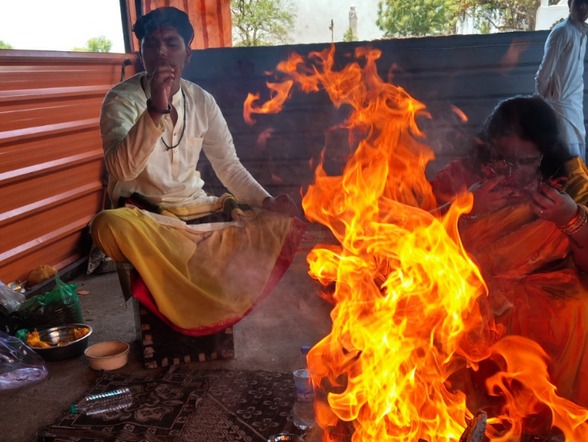
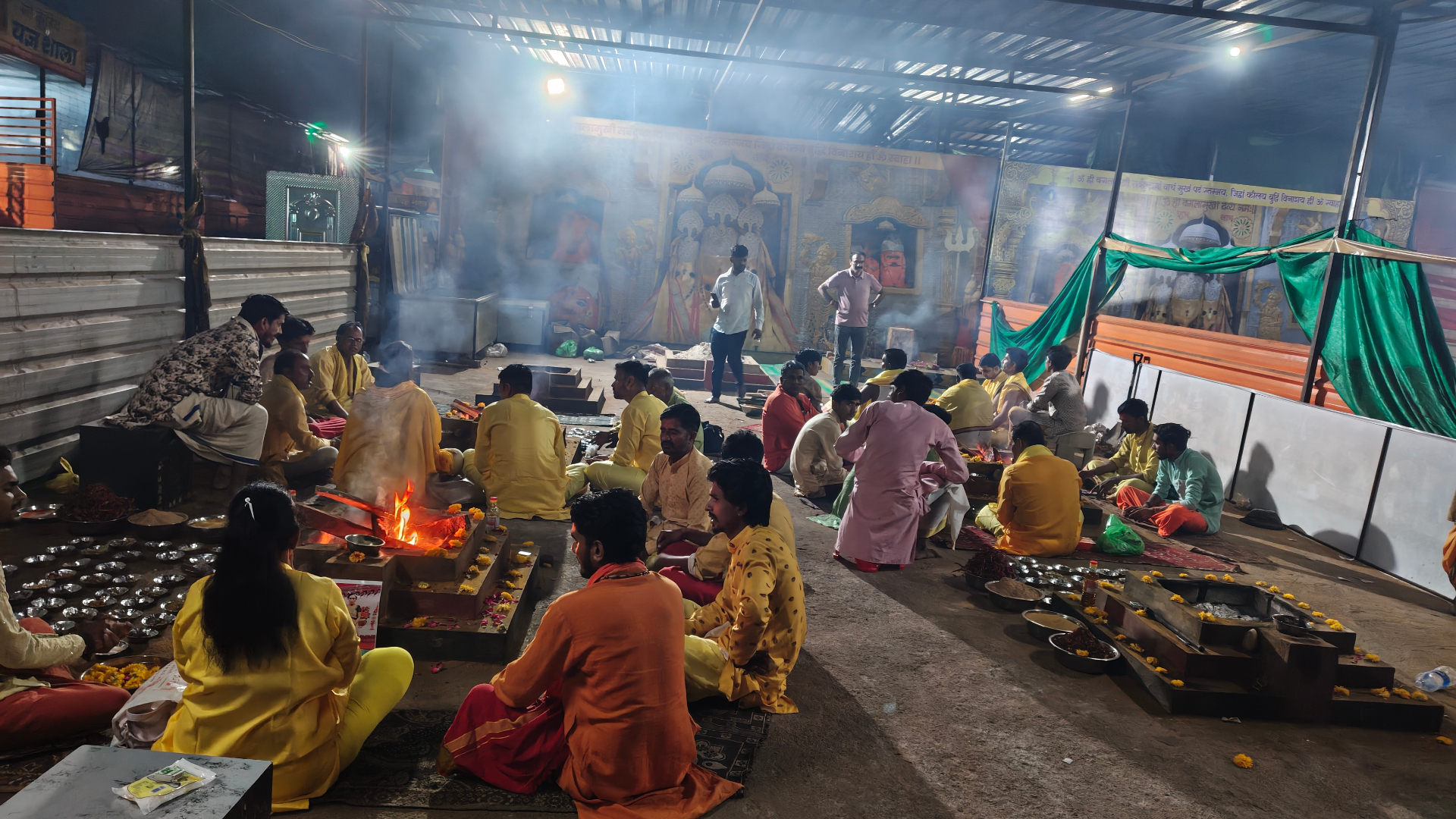
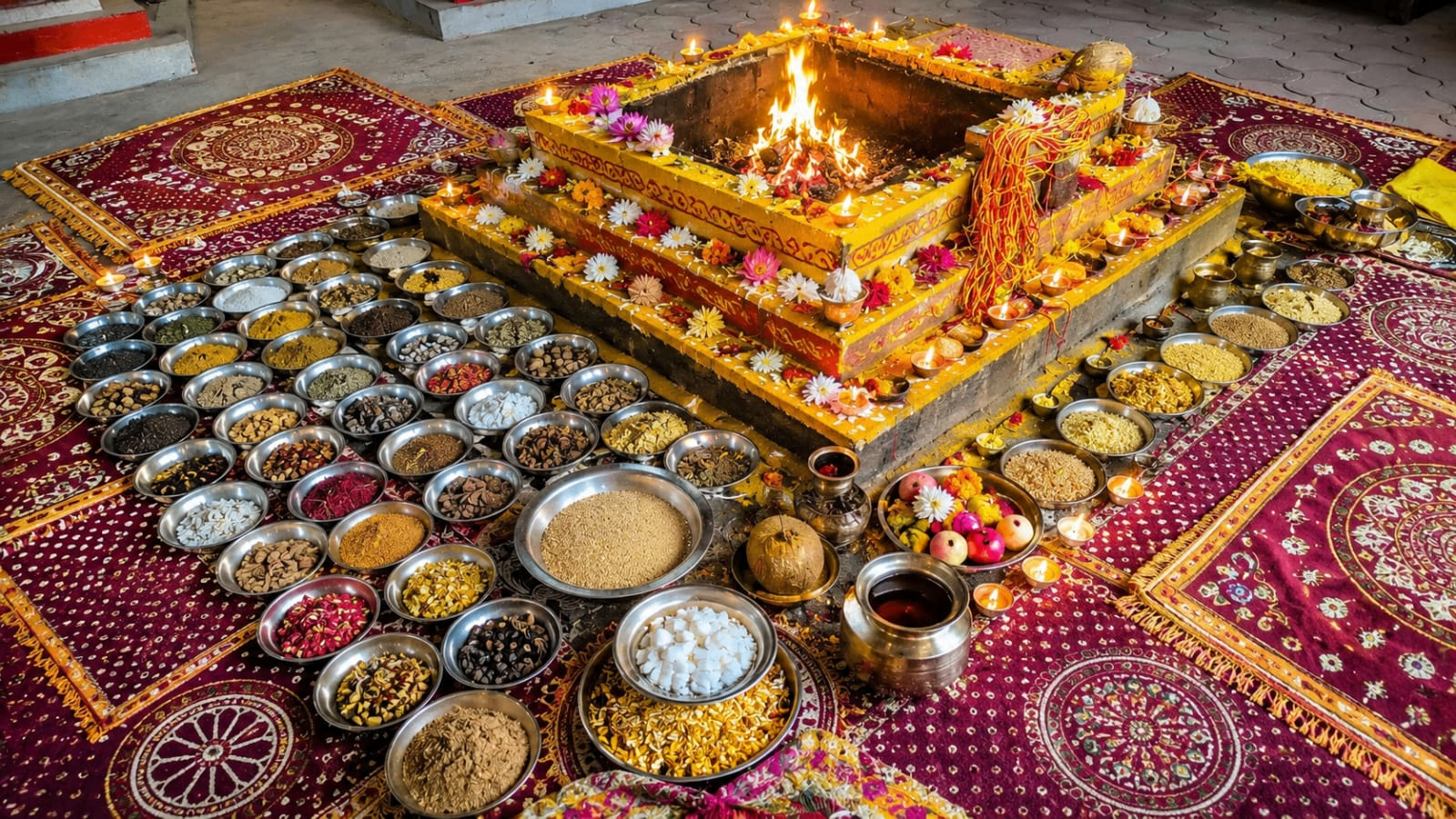
भक्त के लिए इसका व्यावहारिक अर्थ क्या है? इसका अर्थ है कि जब आप बगलामुखी संकल्प हवन प्रायोजित करते हैं, तो आप एक एकीकृत परंपरा में भाग ले रहे हैं जो वैदिक और तांत्रिक दोनों विधियों की पूरी विरासत का उपयोग करती है। हवन कुंड और प्रसाद वैदिक रूप में हैं। देवता-विशिष्ट बीज मंत्र और संकल्प की यंत्र-केंद्रित संरचना गहराई में तांत्रिक हैं। आपकी स्थिति की नैतिक परीक्षा, और मंदिर अनुष्ठान के साथ आपसे मांगी गई अनुशासन, दोनों धाराओं के लिए आम हैं।
इसका यह भी अर्थ है कि आप वैदिक सम्मान और तांत्रिक शक्ति के बीच झूठे चुनाव से मुक्त हैं। वास्तविक अभ्यास दोनों रखता है। आचार्य जो आपको नलखेड़ा में एक स्तंभन संकल्प के माध्यम से मार्गदर्शन कर सकते हैं, वे एक सतत परंपरा के भीतर काम कर रहे हैं जिसने सदियों से एकीकृत विधि को आगे बढ़ाया है। तांत्रिक आयाम के लिए माफी मांगने की कोई आवश्यकता नहीं है और वैदिक ढांचे को छोड़ने की भी कोई आवश्यकता नहीं है। वे हमेशा से एक साथ रहे हैं।
यदि आप पाते हैं कि आप अभी भी 'तंत्र' शब्द से असहज हैं, तो इस असहजता के स्रोत की जांच करें। अक्सर यह बचपन में पढ़ी किसी चीज़, या किसी फिल्म, या किसी ऐसे बड़े व्यक्ति की एक टिप्पणी की स्मृति होती है जिसने स्वयं इस प्रश्न की जांच नहीं की थी। इसे एक तरफ रख दें, वास्तविक पाठ्य परंपरा का एक विश्वसनीय परिचय पढ़ें, और एक ऐसे आचार्य से बात करें जिनके काम पर आपको भरोसा करने का कारण है। परंपरा की वास्तविकता का सीधे सामना होने पर असहजता घुलने लगती है।
एक भक्त जो तर्क के बजाय अभ्यास में परंपरा का परीक्षण करना चाहता है, उसे हमारे साथी लेख में वर्णित मंत्रों और अनुशासनों से शुरुआत करने के लिए प्रोत्साहित किया जाता है, जो हर भक्त को जानने चाहिए पांच मंत्रों पर है। एक अच्छी तरह से निर्देशित दैनिक अभ्यास का सीधा अनुभव अधिकांश अवशिष्ट संदेह को सुलझा देगा जिसे केवल पढ़ने से हल नहीं किया जा सकता है। यह बाद की किसी भी दीक्षा या संकल्प के लिए भी आधार तैयार करता है।
उन लोगों के लिए जो यह विचार कर रहे हैं कि क्या कोई विशेष आचार्य विश्वसनीय है, हमारा निबंध आधुनिक समय में गुरु-शिष्य परंपरा पर पढ़ें, जो आध्यात्मिक संबंध में प्रवेश करने से पहले पूछे जाने वाले व्यावहारिक प्रश्नों को निर्धारित करता है। जब आप व्यक्तिगत रूप से बात करने के लिए तैयार हों, तो संपर्क पृष्ठ सबसे सरल तरीका है, और हमारी पवित्र पेशकशें उन पूजाओं का वर्णन करती हैं जो संयुक्त तांत्रिक-वैदिक विधि का उपयोग करती हैं।
ऐतिहासिक चित्र को देखना भी उपयोगी है। तांत्रिक और वैदिक अभ्यास के बीच जो स्पष्ट विभाजन, जैसा कि अधिकांश आधुनिक पाठक अनुभव करते हैं, वह काफी हद तक उन्नीसवीं सदी के विद्वत्ता का एक कलाकृत है। औपनिवेशिक-युग के यूरोपीय भारतविदों, ग्रंथों के एक सीमित चयन के साथ काम करते हुए और अक्सर अपने स्वयं के धर्मशास्त्रीय पूर्वाग्रहों के साथ, जिसे वे वैदिक के रूप में पहचान सकते थे उसे वर्गीकृत किया और बाकी को बाद के भ्रष्टाचार के रूप में खारिज कर दिया। बीसवीं सदी के भारतीय सुधार आंदोलनों, एक औपनिवेशिक ढांचे के भीतर सम्मान की तलाश में, इस वर्गीकरण को आत्मसात और दोहराया। परिणाम एक व्यापक विरासतगत धारणा है कि दोनों धाराएं विरोधी हैं, जबकि वास्तव में वे हिंदू अभ्यास के पूरे रिकॉर्ड किए गए इतिहास के लिए सह-अस्तित्व में रही हैं, एक-दूसरे को प्रभावित करती रही हैं, और कर्मियों को साझा करती रही हैं।
भारत भर के मंदिरों में सक्रिय रूप से उपयोग में आने वाले अनुष्ठान पुस्तिकाओं पर एक संक्षिप्त नज़र भी इसे स्पष्ट करती है। आज कोई भी कार्यरत मंदिर पुजारी जिन पद्धति ग्रंथों का पालन करते हैं, वे वैदिक मंत्रों, तांत्रिक बीज-अक्षरों, आगमिक पूजा अनुक्रमों और पौराणिक कथाओं को एक ही अखंड liturgy में जोड़ते हैं। नलखेड़ा में बगलामुखी हवन करने वाला पुजारी देवता-विशिष्ट बीज मंत्रों के लिए मंत्र महार्णव पर, यज्ञ की संरचना के लिए शास्त्रीय वैदिक सूत्र साहित्य पर, और पूरे की व्यवस्था के लिए वंश-विशिष्ट पद्धति मैनुअल पर निर्भर करता है। धाराओं के बीच कोई विभाजन नहीं है क्योंकि, जीवित अभ्यास में, कभी कोई नहीं था।
भक्त के लिए, व्यावहारिक निष्कर्ष एक झूठी चिंता से मुक्ति है। आपको वैदिक सम्मान और तांत्रिक गहराई के बीच चुनाव करने की आवश्यकता नहीं है। दोनों आप एक सतत परंपरा के उत्तराधिकारी के रूप में हैं। जब आप एक योग्य आचार्य के साथ एक संकल्प प्रायोजित करते हैं, तो दोनों आपकी ओर से अनुष्ठान में मौजूद होते हैं। जब आप घर पर व्यक्तिगत अभ्यास करते हैं, तो दोनों आपके लिए पूरक संसाधनों के रूप में उपलब्ध होते हैं। एकमात्र वास्तविक विकल्प जीवित परंपरा के भीतर एक योग्य मार्गदर्शक के साथ अभ्यास करने और अकेले किताबों से इसके टुकड़ों को फिर से बनाने की कोशिश करने के बीच है। पहला भक्तों को पैदा करता है। दूसरा निराशा पैदा करता है।
एकीकृत परंपरा के व्यावहारिक भूगोल पर एक संक्षिप्त टिप्पणी। जिन जीवित केंद्रों में तंत्र-वैदिक विधि का उच्चतम स्तर पर संचार होता है, वे अपेक्षाकृत कम और भौगोलिक रूप से बिखरे हुए हैं। बगलामुखी के लिए मध्य प्रदेश में नलखेड़ा। व्यापक देवी परंपरा के लिए असम में कामाख्या। शैव और अद्वैत धाराओं के लिए वाराणसी। दक्षिण में श्रृंगेरी और कांची शास्त्रीय वेदांत-तंत्र संश्लेषण के लिए। एक भक्त जिसकी रुचि गंभीर है, वह वर्षों में, इनमें से एक से अधिक केंद्रों की कम से कम एक संक्षिप्त तीर्थयात्रा से लाभान्वित होगा, यदि केवल अपनी आँखों से यह देखने के लिए कि एकीकृत परंपरा एक आधुनिक पुनर्गठन नहीं बल्कि एक जीवित वास्तविकता है जिसे मानचित्र पर लगातार बनाए रखा जाता है। आपके साथ स्थानीय स्तर पर काम करने वाला आचार्य इस बड़े नेटवर्क के भीतर एक नोड है, और उसके माध्यम से आपके लिए उपलब्ध गहराई इस नेटवर्क के भीतर उसके अपने संबंधों की गहराई के अनुपात में होती है।
अंत में, उस भक्त के लिए क्या बदलता है जिसने अभ्यास के माध्यम से एकीकृत परंपरा को व्यक्तिगत रूप से सत्यापित किया है, इस पर एक टिप्पणी। तंत्र के बारे में झूठी चिंता घुल जाती है, और इसके साथ एक सूक्ष्म रक्षात्मकता भी घुल जाती है जिसने भक्त के पहले के धार्मिक जीवन के कई पहलुओं को आकार दिया था। स्थिति के लिए जो भी तकनीकी उपकरण उपयुक्त है, उसके माध्यम से देवता के पास जाने में एक नई स्वतंत्रता है — सुबह एक वैदिक स्तोत्र, शाम को एक तांत्रिक बीज मंत्र, एक विशिष्ट मामले के लिए एक पूर्ण संकल्प हवन, एक साधारण गुरुवार को छवि के सामने एक साधारण घी का दीपक। जिन श्रेणियों को पहले परस्पर अनन्य महसूस किया गया था, वे एक ही सतत अभ्यास के भीतर पूरक रजिस्टरों के रूप में स्वयं को प्रकट करती हैं। यह तर्क के माध्यम से प्राप्त एक सैद्धांतिक स्थिति नहीं है। यह एक जीवित पहचान है, और यह वह पहचान है जिसके लिए पूरी पिछली चर्चा केवल एक तैयारी है।
✦ अक्सर पूछे जाते हैं ✦
भक्तों के प्रश्न
इस विषय से जुड़ी व्यक्तिगत साधना कैसे आरंभ करूँ?+
आचार्य विशाल वैष्णव से बात करें। वे आपकी स्थिति के अनुसार सरल दैनिक साधना एवं यथासमय नलखेड़ा पीठ पर उपयुक्त संकल्प पूजा का सुझाव देंगे।
यदि मैं यात्रा नहीं कर सकता तो क्या पूजा दूरस्थ रूप से सम्पन्न हो सकती है?+
हाँ। संकल्प आपके नाम एवं गोत्र से नलखेड़ा मूलपीठ पर लिया जाता है, तथा सम्पूर्ण अनुष्ठान का लाइव वीडियो साझा किया जाता है। प्रसाद एवं यंत्र बाद में कूरियर द्वारा भेजे जाते हैं।
क्या परंपरा प्रामाणिक एवं सत्यापन-योग्य है?+
प्रत्येक अनुष्ठान आचार्य विशाल वैष्णव के मार्गदर्शन में परंपरा-प्रशिक्षित पंडितों द्वारा मूल नलखेड़ा पीठ पर सम्पन्न होता है, तथा सामग्री प्रामाणिक स्रोतों से मंगवाई जाती है।
संपर्क कैसे करें?+
संपर्क फॉर्म का उपयोग करें, सीधे कॉल करें या व्हाट्सएप पर संदेश भेजें। किसी भी संकल्प की पुष्टि से पूर्व आचार्य प्रत्येक भक्त से व्यक्तिगत रूप से बात करते हैं।
✦ अगला चरण उठाएँ ✦
नलखेड़ा पीठ पर पूजा बुक करें
यदि यह लेख आपकी परिस्थिति से मेल खाता है, तो आचार्य से बात करें। प्रत्येक संकल्प व्यक्तिगत संवाद से आरंभ होता है।