कैसे अगर मालवा का एक छोटा सा गाँव भारत के तीन प्रमुख बगलामुखी पीठों में से एक बन गया।
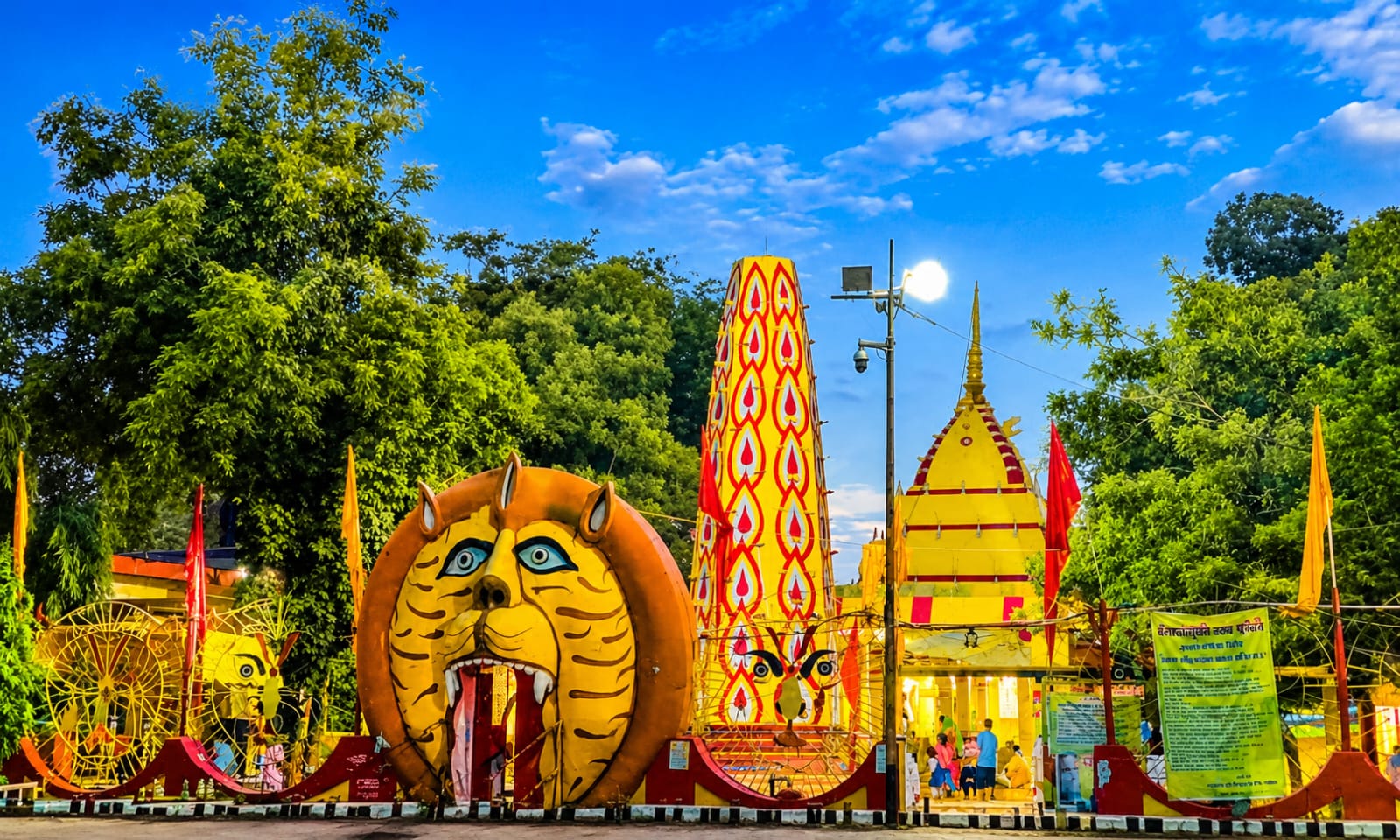
मध्यप्रदेश के आगर मालवा जिले में, लखुन्दर नदी के तट पर, नलखेड़ा गाँव स्थित है। यह मालवा पठार का वह भाग है जिसने स्मरण शक्ति जितनी पुरानी पवित्र भौगोलिक स्थिति को अपने में समेटा हुआ है। सामान्य यात्री को यह एक शांत ग्रामीण बस्ती प्रतीत होता है। माँ बगलामुखी के भक्त के लिए यह पूरे भारत में तीन स्वयंभू बगलामुखी पीठों में से एक है, और इसे देश भर में वंश परंपरा से प्रशिक्षित आचार्य द्वारा अक्सर मूलपीठ – आदि स्थान – के रूप में वर्णित किया जाता है।
स्थानीय परंपरा के अनुसार, नलखेड़ा में माँ बगलामुखी की मूर्ति महाभारत काल में पृथ्वी से प्रकट हुई थी। किंवदंती कहती है कि पांडवों ने अपने वनवास के दौरान इसी स्थान पर साधना की थी, आगामी महायुद्ध में विजय के लिए देवी की स्तुति की थी। जिस स्वयंभू मूर्ति की उन्होंने पूजा की थी, वही आज भक्त देखते हैं, सार में अपरिवर्तित, इसके सुनहरे आभूषणों को पीढ़ियों से समायोजित किया गया है लेकिन इसकी पाषाण आकृति प्राचीन और अविचल है।
पुरातात्विक साक्ष्य इस स्थल पर कई सदियों से निरंतर उपस्थिति का समर्थन करते हैं। आस-पास के क्षेत्र के शिलालेख देवी पूजा को बगलामुखी के रूप में पहचानने योग्य रूपों में संदर्भित करते हैं, और मंदिर के वास्तुशिल्प तत्व एक बहुत पुराने गर्भगृह के ऊपर क्रमिक निर्माण परतों का सुझाव देते हैं। गर्भगृह – आंतरिक गर्भगृह – का कभी पुनर्निर्माण नहीं किया गया है। हर पीढ़ी ने इसे वैसे ही संरक्षित किया है जैसे उसे प्राप्त हुआ।
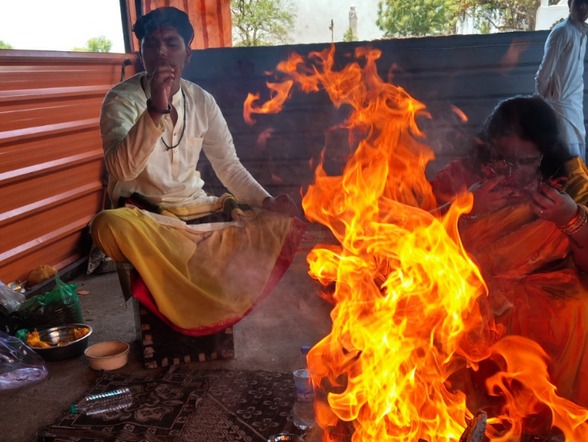
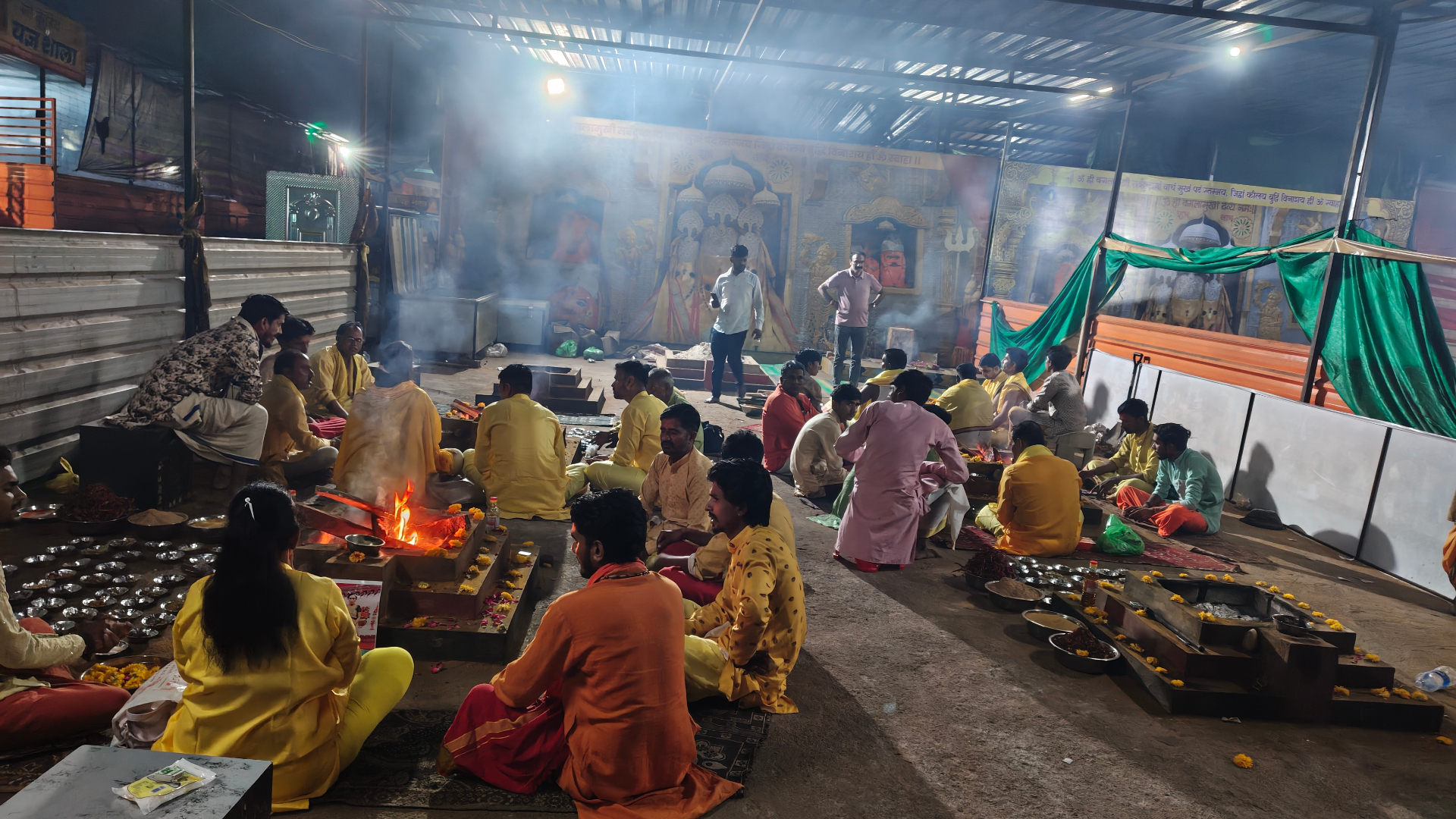
जो बात नलखेड़ा को भारत के असंख्य अन्य देवी मंदिरों से अलग करती है, वह तांत्रिक-वैदिक अनुष्ठान की अटूट निरंतरता है। कई प्राचीन मंदिरों ने समय, धर्मांतरण या संस्थागत व्यवधान के कारण अपनी मूल अनुष्ठान परंपरा खो दी है। नलखेड़ा ने ऐसा नहीं किया है। मंदिर में हवन कुंड कमोबेश लगातार जल रहा है, जिसमें वंश परंपरा से प्रशिक्षित पुजारियों द्वारा शास्त्रीय विनिर्देशों के अनुसार तैयार की गई सामग्री का उपयोग करके ब्रह्म मुहूर्त में दैनिक हवन किया जाता है।
मंदिर भक्तों के लिए सूर्योदय से सूर्यास्त तक खुला रहता है, नवरात्रि और बगलामुखी जयंती पर अतिरिक्त घंटे होते हैं, जो वैशाख महीने की शुक्ल पक्ष में पड़ता है। संकल्प हवन पूरे दिन नियुक्ति के अनुसार किए जाते हैं, जिसमें पंडित परिवारों का एक छोटा समूह पारंपरिक अधिकार – वंशानुगत अधिकार – धारण करता है। ये परिवार अपनी अनुमति कई पीढ़ियों से खोजते हैं और बगलामुखी पूजा करने की अनुमति मिलने से पहले औपचारिक दीक्षा लेते हैं।
नलखेड़ा में वार्षिक चक्र एक स्तरित कैलेंडर का अनुसरण करता है। दैनिक हवन ब्रह्म मुहूर्त में मौसम या जलवायु की परवाह किए बिना किया जाता है। साप्ताहिक पूजा गुरुवार को तीव्र होती है, जो माँ बगलामुखी को समर्पित दिन है। मासिक उत्सव शुक्ल पक्ष की अष्टमी को चरम पर होता है। दो महान वार्षिक पर्व वैशाख में बगलामुखी जयंती और शरद नवरात्रि की नौ रातें हैं, जब भक्त मूल पीठ में संकल्प करने के लिए देश भर से यात्रा करते हैं।
तांत्रिक परंपरा में नलखेड़ा में संकल्प का एक विशेष महत्व है। एक स्वयंभू पीठ की ऊर्जा, सदियों के अटूट अनुष्ठान से पोषित, संकल्प को इस तरह बढ़ा देती है जो कोई अन्य स्थान नहीं कर सकता। पूरे भारत में आचार्य जो अपने शहर या कस्बे में बगलामुखी साधना करते हैं, वे पारंपरिक रूप से अपने जीवनकाल में कम से कम एक तीर्थयात्रा नलखेड़ा में करते हैं, और कई सालाना लौटते हैं।
गंभीर संकट का सामना कर रहे भक्तों के लिए - उलझे कानूनी मामले, लगातार अदृश्य हमला, शत्रुतापूर्ण प्रतिद्वंद्विता जिसने साधारण उपचार का विरोध किया है - वंश परंपरा के पंडित आमतौर पर नलखेड़ा में ग्यारह दिवसीय या इक्कीस दिवसीय संकल्प की सलाह देते हैं। अवधि स्थिति की गंभीरता के अनुसार निर्धारित की जाती है। इस अवधि के दौरान भक्त स्वयं पीठ की यात्रा कर सकते हैं, या मूलपीठ पर संकल्प करवा सकते हैं और घर पर व्यक्तिगत व्रत और मंत्र का अभ्यास कर सकते हैं, दैनिक हवन के दौरान लाइव वीडियो कनेक्शन के साथ।
गाँव स्वयं भक्तों की निरंतर धारा को समायोजित करने के लिए विकसित हुआ है। साधारण लेकिन स्वच्छ धर्मशालाएँ मामूली कीमत पर आवास प्रदान करती हैं। मंदिर प्रशासन स्वीकृत सामग्री आपूर्तिकर्ताओं की एक सूची रखता है। स्थानीय चाय की दुकानें और भोजनालय सात्विक भोजन परोसते हैं। वातावरण विशिष्ट रूप से शांत रहता है – नलखेड़ा ने, जानबूझकर देखभाल के साथ, उस शोर और व्यावसायिक आवरण का विरोध किया है जिसने भारत के कई अन्य प्रमुख देवी मंदिरों को अपनी चपेट में ले लिया है।
पहली बार आने वाले अधिकांश आगंतुकों को दृष्टिकोण की साधारणता और गर्भगृह की तीव्रता के बीच अंतर चकित करता है। नलखेड़ा जाने वाला मार्ग साधारण कृषि भूमि और छोटे बाजार कस्बों से होकर गुजरता है। मंदिर स्वयं, बाहर से, पैमाने में मामूली है। फिर कोई गर्भगृह में प्रवेश करता है, स्वयंभू मूर्ति के सामने खड़ा होता है, और पूरा अनुभव बदल जाता है। हवा सदियों के मंत्रों के अवशेषों से घनी है। भक्त अक्सर शरीर को अपनी जगह पर रखे जाने की शारीरिक अनुभूति की रिपोर्ट करते हैं, स्तंम्भन का शाब्दिक अनुभवात्मक झलक।
यदि आप पहली यात्रा की योजना बना रहे हैं, तो कुछ व्यावहारिक बातें। उज्जैन (लगभग तीन घंटे), इंदौर (लगभग चार), या भोपाल (लगभग पांच) से सड़क मार्ग से यात्रा करें। निकटतम रेलवे स्टेशन शाजापुर है। दर्शन के लिए पीले वस्त्र, यदि आप चाहें तो पीले फूलों और हल्दी का एक छोटा चढ़ावा, और उस व्यक्ति का नाम और गोत्र साथ ले जाएं जिसके लिए आप संकल्प लेना चाहते हैं। यदि आप दैनिक हवन देखना चाहते हैं तो ब्रह्म मुहूर्त से पहले मंदिर पहुंचें। एक अधिकृत आचार्य से पहले से बात करें ताकि आपकी विशिष्ट स्थिति के लिए उचित पूजा की व्यवस्था की जा सके। इसके अलावा, पीठ स्वयं ही बोलता है।
पीठ को केवल एक गंतव्य के रूप में नहीं, बल्कि एक जीवंत परंपरा के लंगर बिंदु के रूप में समझा जाता है। जो भक्त शारीरिक रूप से यात्रा नहीं कर सकते, वे लाइव वीडियो संकल्प पूजा की शास्त्र-सम्मत पद्धति के माध्यम से पूरी तरह से जुड़े रहते हैं, जिसमें भक्त के नाम और गोत्र पर नलखेड़ा में अनुष्ठान किया जाता है और वास्तविक समय में प्रसारित किया जाता है। यह कोई आधुनिक शॉर्टकट नहीं है; यह संकल्प का शास्त्रीय सिद्धांत है जिसे आधुनिक माध्यमों से लागू किया जा रहा है। मूलपीठ की निरंतरता किसी भी संकल्प के लिए क्यों इतनी महत्वपूर्ण है, इस संदर्भ के लिए माँ बगलामुखी को पीताम्बरा देवी के रूप में हमारे नोट को पढ़ें।
उन लोगों के लिए जो पहला संकल्प करने की योजना बना रहे हैं – चाहे व्यक्तिगत रूप से या दूर से – विचार करने योग्य शुभ मुहूर्त में वैशाख में बगलामुखी जयंती और शरद नवरात्रि की नौ रातें शामिल हैं, जब पीठ की तीव्रता अपने वार्षिक चरम पर पहुँच जाती है। शुक्ल पक्ष का कोई भी गुरुवार भी अत्यधिक शुभ माना जाता है। पीठ पर की जाने वाली पूजाओं की श्रृंखला देखने के लिए हमारे पवित्र चढ़ावे पृष्ठ पर जाएँ, और मुहूर्त को अंतिम रूप देने से पहले आचार्य से बात करने के लिए संपर्क फ़ॉर्म का उपयोग करें। प्रत्येक संकल्प एक व्यक्तिगत बातचीत से शुरू होता है, कभी भी अकेले भरे गए बुकिंग फ़ॉर्म से नहीं।
मंदिर के आसपास के गाँव की अपनी एक लय है जो पहली बार आने वालों को आकर्षित करती है। यहाँ जीवन अभी भी मंदिर की घंटी का अनुसरण करता है। सुबह की ब्रह्म-मुहूर्त आरती काफी दूर तक सुनाई देती है, और दुकानदार, किसान और बच्चे अपने दिन की शुरुआत इससे तय करते हैं। दोपहर की पूजा के दौरान साप्ताहिक बाजार रुक जाते हैं। मंदिर परिसर के पास की छोटी चाय की दुकानें भी अपनी आवाज को एक विचारशील फुसफुसाहट से ऊपर नहीं उठाती हैं। यह थोपी हुई चुप्पी नहीं है; यह विरासत में मिला अनुशासन है, ऐसा अनुशासन जो केवल उस स्थान पर जमा होता है जहाँ पवित्र निरंतरता कभी बाधित नहीं हुई है।
ऐतिहासिक रूप से, मंदिर ने उत्तरी और मध्य भारत में धार्मिक जीवन को फिर से आकार देने वाले उथल-पुथल की कई लहरों से बचा। मालवा क्षेत्र कई राजनीतिक हाथों से गुजरा, और कई पुराने मंदिरों का पुनर्निर्माण किया गया, स्थानांतरित किया गया, या खो गए। नलखेड़ा का गर्भगृह, भौगोलिक विनम्रता और सामुदायिक संरक्षण के संयोजन से, काफी हद तक अछूता रहा। आसपास के गाँवों के स्थानीय परिवारों ने उन अवधियों के दौरान दैनिक अनुष्ठान को संरक्षित किया जब मंदिर का संरक्षण पतला था, और वंश-प्रशिक्षित पंडित परिवारों ने अनुष्ठान की निरंतरता को समाप्त होने देने के बजाय व्यक्तिगत कठिनाई को स्वीकार किया। यह अटूट धागा ही आज इस पीठ को उसका विशिष्ट महत्व देता है।
किसी विशिष्ट संकल्प के साथ आने वाले तीर्थयात्री के लिए, मंदिर एकाग्रता की एक दुर्लभ गुणवत्ता प्रदान करता है। क्योंकि यह स्थान बड़े पैमाने पर पर्यटन स्थल नहीं बन गया है, भीड़ द्वारा धक्का दिए बिना मूर्ति के सामने बैठने का समय मिलता है। पंडित प्रत्येक संकल्प पर व्यक्तिगत ध्यान देते हैं। प्रेषित प्रसाद – हल्दी, पीली चुनरी, रक्षासूत्र, कभी-कभी एक छोटा सा प्रतिष्ठित यंत्र – विशेष रूप से आपके लिए तैयार किया जाता है, न कि सामान्य ट्रे से वितरित किया जाता है। जो भक्त अपने पहले संकल्प के बाद लौटते हैं, वे लगभग हमेशा पीठ के अनुभव को इन शब्दों में वर्णित करते हैं: अनहरिड, व्यक्तिगत और स्पष्ट रूप से जीवंत।
व्यापक पवित्र भूगोल में रुचि रखने वाले भक्तों के लिए, यह ध्यान रखना उचित है कि नलखेड़ा मालवा मंदिरों के गलियारे में स्थित है जिन्होंने अभ्यास की पुरानी परतों को संरक्षित किया है। उज्जैन, अपने महाकालेश्वर ज्योतिर्लिंग और हरसिद्धि शक्ति पीठ के साथ, उत्तर में एक प्राकृतिक लंगर है। दतिया, तीन प्रमुख बगलामुखी पीठों में से दूसरा, आगे पूर्व में स्थित है। एक अच्छी तरह से नियोजित तीर्थयात्रा जिसमें इन आसन्न स्थलों के साथ नलखेड़ा शामिल है, भक्त को उस अनुष्ठान पारिस्थितिकी का एक पूर्ण बोध कराता है जिसमें मूलपीठ अंतर्निहित है। नलखेड़ा के पंडित आमतौर पर भक्त के उपलब्ध समय के अनुरूप एक क्रम पर सलाह देने में प्रसन्न होते हैं, और जहां उचित हो, बहन मंदिरों में परिचय की व्यवस्था कर सकते हैं। इस तरह की विस्तारित तीर्थयात्रा, जीवनकाल में एक बार की जाती है, भक्त के परंपरा के साथ संबंध को उन तरीकों से गहरा करती है जो एक एकल-स्थल यात्रा शायद ही कभी कर सकती है।
जो भक्त व्यक्तिगत रूप से यात्रा किए बिना नलखेड़ा में संकल्प प्रायोजित करने की योजना बना रहे हैं, उनके लिए एक व्यावहारिक चेकलिस्ट सहायक होगी। आचार्य के साथ मुहूर्त की पुष्टि कम से कम तीन सप्ताह पहले करें। प्राथमिक भक्त का पूरा नाम, गोत्र और वर्तमान पता भेजें, साथ ही संकल्प के पीछे के इरादे का एक संक्षिप्त लिखित बयान भी दें। पूजा के दिन से पहले एक छोटा परीक्षण वीडियो कॉल की व्यवस्था करें ताकि यह पुष्टि हो सके कि आपके पक्ष से कनेक्शन स्थिर है। उस दिन, नियत मुहूर्त से कम से कम पंद्रह मिनट पहले अपने घर के वेदी पर पहुँचें। अपने पीले कपड़े, घी का दीपक और छोटी चढ़ाने की थाली तैयार रखें। परिवार के सदस्यों को अनुष्ठान की अवधि के लिए कमरे में बाधा डालने से बचने का निर्देश दें। पूजा समाप्त होने के बाद, मंदिर कार्यालय से कूरियर रसीद की प्रतीक्षा करें; प्रसाद आमतौर पर आपके स्थान के आधार पर सात से दस कार्य दिवसों के भीतर पहुंचता है। ये छोटे लॉजिस्टिक अनुशासन दूरस्थ संकल्प अनुभव की सुगमता में पर्याप्त अंतर लाते हैं।
✦ अक्सर पूछे जाते हैं ✦
भक्तों के प्रश्न
इस विषय से जुड़ी व्यक्तिगत साधना कैसे आरंभ करूँ?+
आचार्य विशाल वैष्णव से बात करें। वे आपकी स्थिति के अनुसार सरल दैनिक साधना एवं यथासमय नलखेड़ा पीठ पर उपयुक्त संकल्प पूजा का सुझाव देंगे।
यदि मैं यात्रा नहीं कर सकता तो क्या पूजा दूरस्थ रूप से सम्पन्न हो सकती है?+
हाँ। संकल्प आपके नाम एवं गोत्र से नलखेड़ा मूलपीठ पर लिया जाता है, तथा सम्पूर्ण अनुष्ठान का लाइव वीडियो साझा किया जाता है। प्रसाद एवं यंत्र बाद में कूरियर द्वारा भेजे जाते हैं।
क्या परंपरा प्रामाणिक एवं सत्यापन-योग्य है?+
प्रत्येक अनुष्ठान आचार्य विशाल वैष्णव के मार्गदर्शन में परंपरा-प्रशिक्षित पंडितों द्वारा मूल नलखेड़ा पीठ पर सम्पन्न होता है, तथा सामग्री प्रामाणिक स्रोतों से मंगवाई जाती है।
संपर्क कैसे करें?+
संपर्क फॉर्म का उपयोग करें, सीधे कॉल करें या व्हाट्सएप पर संदेश भेजें। किसी भी संकल्प की पुष्टि से पूर्व आचार्य प्रत्येक भक्त से व्यक्तिगत रूप से बात करते हैं।
✦ अगला चरण उठाएँ ✦
नलखेड़ा पीठ पर पूजा बुक करें
यदि यह लेख आपकी परिस्थिति से मेल खाता है, तो आचार्य से बात करें। प्रत्येक संकल्प व्यक्तिगत संवाद से आरंभ होता है।