आठवीं महाविद्या का परिचय, उनकी प्रतिमा, उनके मंत्र, और क्यों भक्त संकट के क्षणों में उनकी शरण लेते हैं।
दस महाविद्याओं में — तांत्रिक परम्परा की महान ज्ञान देवियाँ — माँ बगलामुखी का एक विलक्षण और अद्वितीय स्थान है। वे आठवीं महाविद्या हैं, दिव्य सुनहरे पीताम्बर में सुशोभित, अमृत के विशाल सागर के मध्य में एक स्वर्ण सिंहासन पर विराजमान हैं। उनके बायें हाथ में वैरिणी की जिह्वा है, जिसे उन्होंने खींचकर वश में कर रखा है; उनके दाहिने हाथ में गदा है, जो हानि के स्रोत पर प्रहार करने को उद्यत है। यह क्रूरता का प्रतीक नहीं है। यह स्तम्भन का दृश्य सार है — harmful गति को रोकने का दिव्य कार्य इससे पहले कि वह दुनिया में अपना नुकसान प्रकट कर सके।
बगलामुखी शब्द की व्याख्या अक्सर दो प्रकार से की जाती है। कुछ विद्वान इसे 'वल्गा' से व्युत्पन्न करते हैं, जो घोड़े की लगाम होती है, यह सुझाता है कि देवी उद्दाम शक्तियों को नियंत्रित करती हैं। अन्य इसे 'वाग्ला' से जोड़ते हैं, जो 'वाक' (वाणी) का एक रूप है — वह देवी जो धर्म के विरुद्ध बोलने वाले की जिह्वा को पकड़ लेती हैं। दोनों ही व्याख्याएँ एक ही आवश्यक कार्य की ओर संकेत करती हैं: वे दिव्य बुद्धि हैं जो उसे स्तम्भित करती हैं जिसे स्तम्भित किया जाना चाहिए, ताकि धर्म अबाध गति से आगे बढ़ सके।
भक्त माँ बगलामुखी के पास तीन व्यापक वर्गों के संकटों में आते हैं। पहला न्यायिक उलझाव है — अदालती मामले, झूठे आरोप, संपत्ति विवाद, पेशेवर मानहानि। दूसरा शत्रुतापूर्ण प्रतिद्वंद्विता है, चाहे व्यवसाय, राजनीति, या व्यक्तिगत जीवन में, जहाँ एक विरोधी भक्त को कमजोर करने के लिए सक्रिय रूप से काम करता है। तीसरा, और सबसे सूक्ष्म, अदृश्य तांत्रिक हमला है — अभिचार, किसी व्यक्ति के खिलाफ दुर्भावनापूर्ण अनुष्ठान का जानबूझकर उपयोग। इनमें से प्रत्येक स्थिति में, उनकी कृपा उसी विशेष तरीके से काम करती है: हानि के स्रोत को जड़ से स्तम्भित करके और भक्त के पक्ष में धर्म को पुनर्स्थापित करके।
उनका मूल मंत्र, जिसे बगलामुखी मूल मंत्र के नाम से जाना जाता है, संपूर्ण तांत्रिक साहित्य में सबसे शक्तिशाली स्तम्भन मंत्रों में से एक है। यह इंटरनेट से यूँ ही उठाया जाने वाला मंत्र नहीं है। पारंपरिक रूप से इसे एक योग्य गुरु से व्यक्तिगत रूप से प्राप्त किया जाता है, साथ में उचित विनियोग, न्यास और ध्यान भी किया जाता है। जब श्रद्धा और शास्त्र-सम्मत विधि से जाप किया जाता है, तो यह साधक के चारों ओर मौन का एक गलियारा बनाता है, एक ऐसा क्षेत्र जहाँ विरोधी आवाज़ों का शोर प्रवेश नहीं कर पाता।
देवी की प्रतिमा का ध्यानपूर्वक चिंतन फलदायी होता है। उनके वस्त्रों का पीला रंग केवल सजावटी नहीं है। तंत्र के रंग सिद्धांत में, पीला रंग स्तम्भन का रंग है — गति का जमना जो धर्म को स्वयं को फिर से स्थापित करने देता है। अमृत के सागर में स्वर्ण सिंहासन हमें बताता है कि उनका आसन स्वयं अमृत है, अमर्त्य पदार्थ; उन्हें प्रकट संसार की किसी भी शक्ति द्वारा विस्थापित नहीं किया जा सकता। वह जिह्वा जिसे उन्होंने पकड़ रखा है, धर्म के शत्रु की जिह्वा है, न कि किसी विशेष मनुष्य की। गदा राजा का दण्ड है, लौकिक व्यवस्था का वैध अधिकार।
भारत में माँ बगलामुखी के तीन प्रमुख पीठ हैं — शक्ति-पीठ। मध्य प्रदेश के नलखेड़ा का सबसे प्राचीन है, जिसमें एक स्वयंभू मूर्ति है जो महाभारत काल में पृथ्वी से प्रकट हुई मानी जाती है। दतिया, जो मध्य प्रदेश में भी है, महाराजा बीर सिंह देव द्वारा स्थापित प्रसिद्ध मंदिर का स्थल है। हिमाचल प्रदेश के कांगड़ा में स्थित बगलामुखी मंदिर तीसरा है। इन सभी पीठों की अपनी-अपनी अनुष्ठानिक लय है, लेकिन नलखेड़ा को तांत्रिक परंपरा में मूलपीठ — मूल स्थान — के रूप में मान्यता प्राप्त है और किसी भी गंभीर बगलामुखी संकल्प हवन के लिए यह अनुशंसित स्थान है।
नए भक्तों से एक सामान्य प्रश्न यह होता है कि क्या बगलामुखी साधना खतरनाक है। इसका ईमानदार उत्तर यह है कि यह शक्तिशाली है, और सभी शक्तिशाली चीजों की तरह इसे अनुशासन के साथ संभालना चाहिए। वंश परंपरा प्राप्त आचार्य के मार्गदर्शन में, सही सामग्री, सही मंत्र, सही संकल्प और सही नैतिक इरादे के साथ की गई बगलामुखी पूजा पूर्णतया सुरक्षित और असाधारण रूप से प्रभावी होती है। लापरवाही से, या किसी निर्दोष व्यक्ति के प्रति शत्रुतापूर्ण इरादे से की गई, यह ऐसा प्रतिफल उत्पन्न करती है जिसे बाद में कोई भी प्रायश्चित्त पूरी तरह से हल नहीं कर पाता।
बगलामुखी साधना के नैतिक आयाम को कम करके नहीं आंका जा सकता। देवी अधर्मियों को स्तम्भित करती हैं; वह अधर्मियों के लिए धर्मियों को स्तम्भित नहीं करतीं। यदि कोई भक्त ऐसे संकल्प के साथ उनके पास आता है जो असत्य पर आधारित है — किसी ऐसे व्यक्ति को हानि पहुँचाने के लिए जिसने वास्तव में उन्हें गलत नहीं किया है — तो अनुष्ठान की ऊर्जा भीतर की ओर मुड़ जाती है। यही कारण है कि प्रत्येक प्रामाणिक आचार्य संकल्प हवन करने से पहले भक्त की स्थिति का विस्तार से परीक्षण करते हैं। हम किसी निर्दोष पक्ष के विरुद्ध स्तम्भन नहीं करते। कभी नहीं।
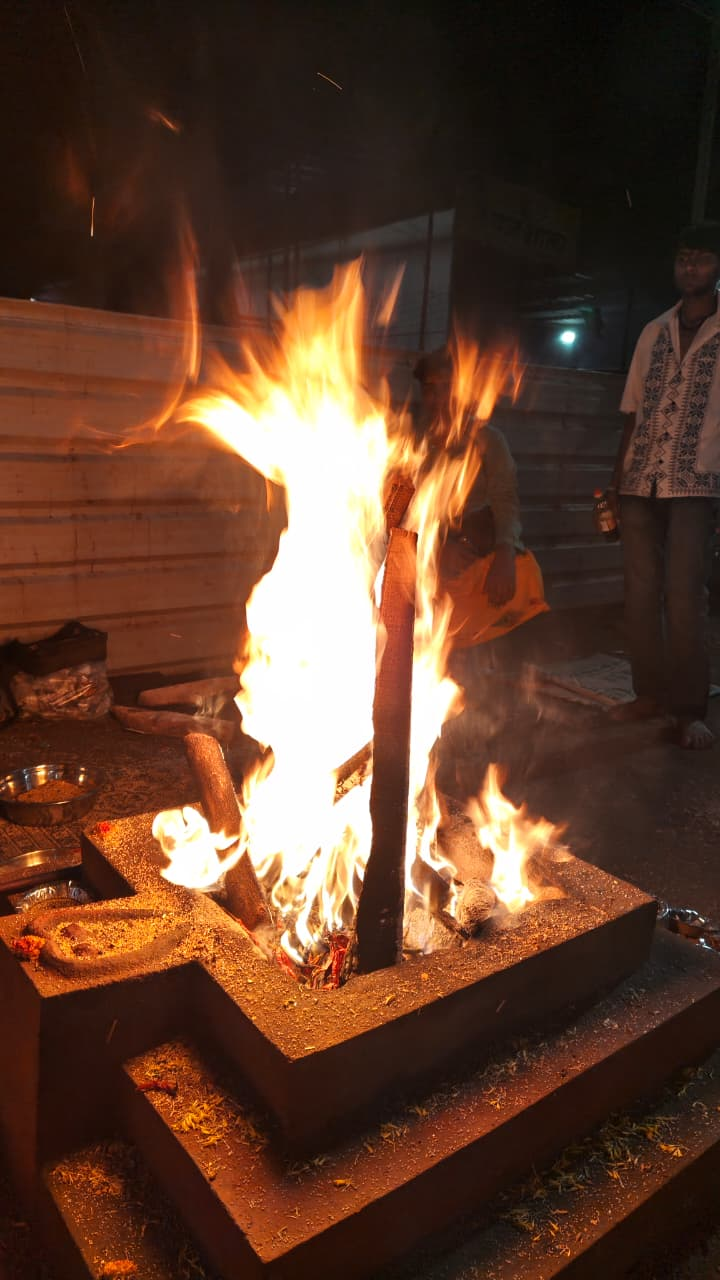
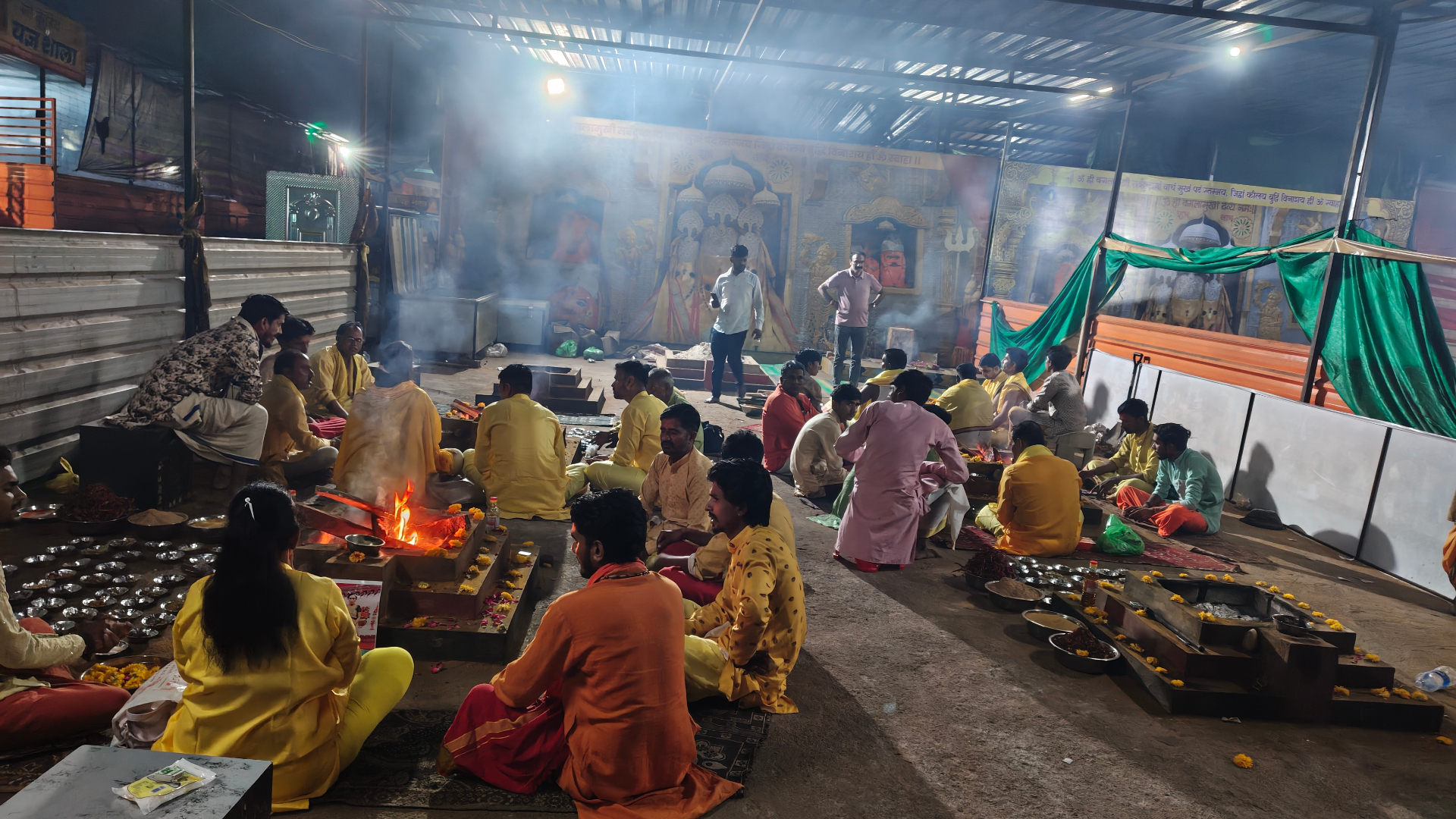
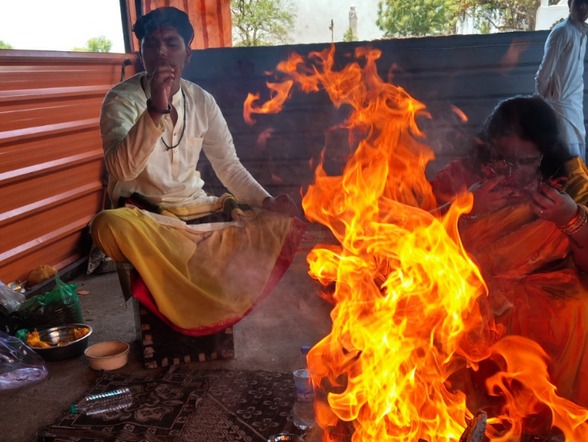
जो भक्त नलखेड़ा पीठ की यात्रा नहीं कर सकते, उनके लिए लाइव वीडियो संकल्प मानक बन गया है। भक्त के नाम और गोत्र में सही ढंग से संकल्प लिया जाता है, मूलपीठ में वंश-प्रशिक्षित पंडितों द्वारा हवन किया जाता है, और संपूर्ण अनुष्ठान का एक लाइव वीडियो भक्त के साथ साझा किया जाता है। प्रसाद, यंत्र और अभिमंत्रित माला बाद में कूरियर द्वारा भेजे जाते हैं। यह शास्त्र-सम्मत है — पुण्य उसे प्राप्त होता है जिसके नाम पर संकल्प लिया जाता है, भौतिक स्थान की परवाह किए बिना।
यदि आप इस लेख को किसी संकट के बीच पढ़ रहे हैं — अदालत की तारीख करीब आ रही है, एक शत्रुतापूर्ण पक्ष निकट आ रहा है, आपके जीवन में अदृश्य बाधा का एहसास हो रहा है — तो यह जान लें: माँ बगलामुखी ने सदियों से भक्तों को ऐसे ही क्षणों में सहारा दिया है। उनकी कृपा सैद्धांतिक नहीं है। यह प्रत्यक्ष, दृश्यमान और अक्सर आश्चर्यजनक रूप से त्वरित होती है। वह भक्त से श्रद्धा, अनुशासन और शुद्ध इरादा मांगती हैं। बदले में वह धर्म के शत्रु के चारों ओर मौन देती हैं, और धर्म के पथ पर चलने वाले के लिए एक स्पष्ट मार्ग प्रशस्त करती हैं।
सरलता से प्रारंभ करें। गुरुवार को अपनी प्रतिमा के सामने एक घी का दीपक जलाएँ। पीला पहनें। उनका बीज मंत्र ग्यारह बार जपें, या यदि आपके पास हल्दी की माला हो तो एक सौ आठ बार की एक माला जाप करें। एक पीला फूल और एक चुटकी हल्दी चढ़ाएँ। दो मिनट के लिए उनकी प्रतिमा के सामने बैठें और चुपचाप व्यक्त करें कि आप किस स्थिति का सामना कर रहे हैं। यह शुरुआत है। यहाँ से, मार्ग खुलता है — और एक योग्य आचार्य अगले प्रत्येक कदम का मार्गदर्शन कर सकते हैं।
जो भक्त अधिक गहराई में जाना चाहते हैं, उनके लिए अगला स्वाभाविक कदम नलखेड़ा पीठ के जीवंत इतिहास के बारे में पढ़ना है — स्वयंभू मूलपीठ जहाँ हर गंभीर बगलामुखी संकल्प का आधार है। इस स्थान के महत्व को समझना व्यक्तिगत साधना में एक और आयाम जोड़ता है, और अक्सर यह स्पष्ट करता है कि भारत भर के आचार्य किसी भी वास्तविक महत्व के स्तम्भन हवन के लिए नलखेड़ा को ही पसंदीदा स्थान क्यों मानते हैं। इसके साथ ही, पीताम्बरा देवी की पूजा पीले रंग से क्यों की जाती है, इस पर हमारे नोट के साथ थोड़ा समय बिताएं; वर्णिक अनुशासन उनकी उपस्थिति को दैनिक जीवन में लाने के सबसे तत्काल उपलब्ध तरीकों में से एक है।
यदि आप जिस स्थिति का सामना कर रहे हैं वह तत्काल है — अदालत की तारीख, एक सक्रिय विवाद, बाधा का एक ऐसा पैटर्न जिसने सामान्य समाधान का विरोध किया है — तो स्वयं गहन संकल्प का प्रयास न करें। मन को स्थिर करने के लिए पांच मंत्र हर भक्त को जानने चाहिए हमारे मार्गदर्शक को पढ़ें जब आप उचित सहायता की व्यवस्था करें, और फिर आचार्य से सीधे बात करने के लिए संपर्क पृष्ठ का उपयोग करें। वह किसी भी अनुष्ठान का प्रस्ताव देने से पहले आपकी स्थिति का ध्यानपूर्वक परीक्षण करेंगे और आपके नाम और गोत्र में नलखेड़ा में उपयुक्त संकल्प पूजा की व्यवस्था कर सकते हैं, जिसमें लाइव वीडियो कनेक्शन भी होगा ताकि आप कहीं से भी पूरे हवन को देख सकें।
किसी भी गंभीर माँ बगलामुखी साधना में प्रवेश करने से पहले, उनकी अभिव्यक्ति की कथा के साथ कुछ देर बैठना सहायक होता है। देवी भागवत और कई तांत्रिक स्रोत बताते हैं कि कैसे, सत्य युग में एक ब्रह्मांडीय संकट के क्षण में, जब एक महान तूफान दुनिया को नष्ट करने की धमकी दे रहा था, विष्णु ने स्वयं हरिद्रा सरोवर — हल्दी झील — के तट पर गहन तपस्या की। सुनहरे जल से पीले रंग में लिपटी एक तेजोमयी आकृति प्रकट हुई, और उनकी मात्र दृष्टि के कार्य से तूफान थम गया। उसी क्षण से उनका नाम परंपरा में प्रवेश करता है। जब भी धर्म का ताना-बाना उन शक्तियों द्वारा फाड़ा जा रहा होता है जो persuasion का जवाब नहीं देतीं, तो वह देवी हैं जो उन्हें रोकती हैं।
यह उत्पत्ति व्यावहारिक रूप से महत्वपूर्ण है। यह भक्त को बताती है कि बगलामुखी हर इच्छा के लिए संपर्क की जाने वाली एक सामान्य-उद्देश्य वाली देवी नहीं हैं; वह स्तम्भन, अवरोध, उसे स्तम्भित करने की विशेषज्ञ हैं जिसे स्तम्भित किया जाना चाहिए ताकि धर्म स्वयं को पुनर्स्थापित कर सके। छोटी व्यक्तिगत शिकायतों के लिए उनके पास जाना, या किसी ऐसे मामले में उन्हें शामिल करना जहाँ किसी का अपना आचरण बेईमानी भरा रहा हो, परंपरा का दुरुपयोग करना है। ब्रह्मांडीय तूफान को रोकने वाली देवी अपनी शक्ति को तुच्छ या स्वार्थी उद्देश्यों के लिए नहीं देतीं। यह नैतिकता नहीं है; यह उस साधना का विवरण है कि वह वास्तव में कैसे व्यवहार करती है। जो भक्त उनके पास शुद्धता से जाते हैं, वे शुद्ध परिणाम प्राप्त करते हैं। जो भक्त लापरवाही से उनके पास जाते हैं, वे, सबसे अच्छे रूप में, कोई परिणाम नहीं और, सबसे बुरे रूप में, अनपेक्षित परिणाम प्राप्त करते हैं।
गृहस्थ भक्त के लिए, एक साधारण साप्ताहिक लय अक्सर सही शुरुआत होती है। गुरुवार उनका दिन है। कार्यदिवस शुरू करने से पहले, ताज़ा स्नान करें, पीले रंग के कपड़े पहनें या पीले वस्त्र धारण करें, उनकी प्रतिमा के सामने एक घी का दीपक जलाएँ, और एक पीला फूल और एक चुटकी हल्दी चढ़ाएँ। दो मिनट के लिए शांति से बैठें। चुपचाप, व्यक्त करें कि इस समय आपको क्या परेशान कर रहा है। उनका बीज मंत्र उतनी बार जपें जितनी देर आपका एकाग्रता बनी रह सके — यहाँ तक कि ग्यारह बार जप भी, यदि पूरे ध्यान से किया जाए, तो विचलित होकर की गई पूरी माला से अधिक मूल्यवान है। पृथ्वी को स्पर्श करके और कृतज्ञता व्यक्त करके समाप्त करें। महीनों के दौरान, यह छोटी सी साप्ताहिक लय मन में ऐसी स्थिरता उत्पन्न करती है जिसे कोई भी संकट आसानी से परेशान नहीं कर सकता।
साधना के भावनात्मक स्वरूप के बारे में एक बात जोड़ना सार्थक है, क्योंकि भक्तों को यह लिखित सामग्री में शायद ही कभी मिलता है। बगलामुखी साधना, जब शुद्धता से की जाती है, तो समय के साथ एक विशिष्ट आंतरिक गुणवत्ता उत्पन्न करती है जिसे सामान्य भाषा में नाम देना कठिन है। यह उल्लास नहीं है, न ही उत्साह, न ही भक्ति-केंद्रित साधना की मृदु उष्णता। यह luminous stillness के करीब है — आत्मा के केंद्र में एक स्थिरता जो तब भी बनी रहती है जब आसपास की परिस्थितियाँ अशांत हों। जो भक्त वर्षों तक साधना बनाए रखते हैं, वे बताते हैं कि यह गुणवत्ता उनकी डिफ़ॉल्ट विश्राम स्थिति बन जाती है, और इसी स्थिरता के भीतर से ही कठिन परिस्थितियों में सही क्रियाएँ स्वाभाविक रूप से उत्पन्न होती हैं। वह देवी जो बाहरी हानि को रोकती हैं, उसी गति में, आंतरिक अशांति को भी रोकती हैं जो अन्यथा संकट में निर्णय को धूमिल कर सकती थी। यह आंतरिक फल, अंततः, किसी भी एकल बाहरी समाधान से अधिक मूल्यवान है जो साधना उत्पन्न कर सकती है।
✦ अक्सर पूछे जाते हैं ✦
भक्तों के प्रश्न
इस विषय से जुड़ी व्यक्तिगत साधना कैसे आरंभ करूँ?+
आचार्य विशाल वैष्णव से बात करें। वे आपकी स्थिति के अनुसार सरल दैनिक साधना एवं यथासमय नलखेड़ा पीठ पर उपयुक्त संकल्प पूजा का सुझाव देंगे।
यदि मैं यात्रा नहीं कर सकता तो क्या पूजा दूरस्थ रूप से सम्पन्न हो सकती है?+
हाँ। संकल्प आपके नाम एवं गोत्र से नलखेड़ा मूलपीठ पर लिया जाता है, तथा सम्पूर्ण अनुष्ठान का लाइव वीडियो साझा किया जाता है। प्रसाद एवं यंत्र बाद में कूरियर द्वारा भेजे जाते हैं।
क्या परंपरा प्रामाणिक एवं सत्यापन-योग्य है?+
प्रत्येक अनुष्ठान आचार्य विशाल वैष्णव के मार्गदर्शन में परंपरा-प्रशिक्षित पंडितों द्वारा मूल नलखेड़ा पीठ पर सम्पन्न होता है, तथा सामग्री प्रामाणिक स्रोतों से मंगवाई जाती है।
संपर्क कैसे करें?+
संपर्क फॉर्म का उपयोग करें, सीधे कॉल करें या व्हाट्सएप पर संदेश भेजें। किसी भी संकल्प की पुष्टि से पूर्व आचार्य प्रत्येक भक्त से व्यक्तिगत रूप से बात करते हैं।
✦ अगला चरण उठाएँ ✦
नलखेड़ा पीठ पर पूजा बुक करें
यदि यह लेख आपकी परिस्थिति से मेल खाता है, तो आचार्य से बात करें। प्रत्येक संकल्प व्यक्तिगत संवाद से आरंभ होता है।