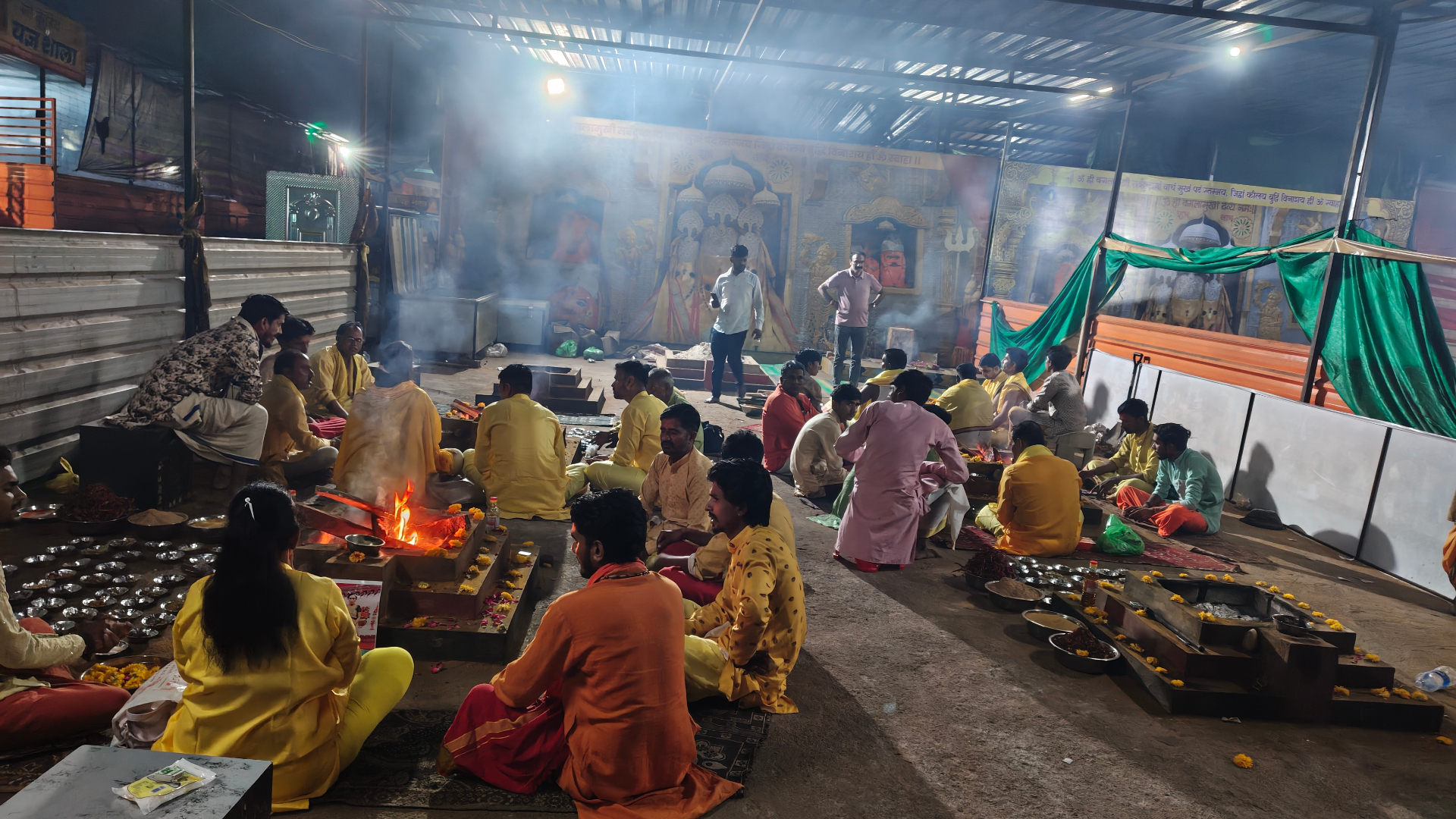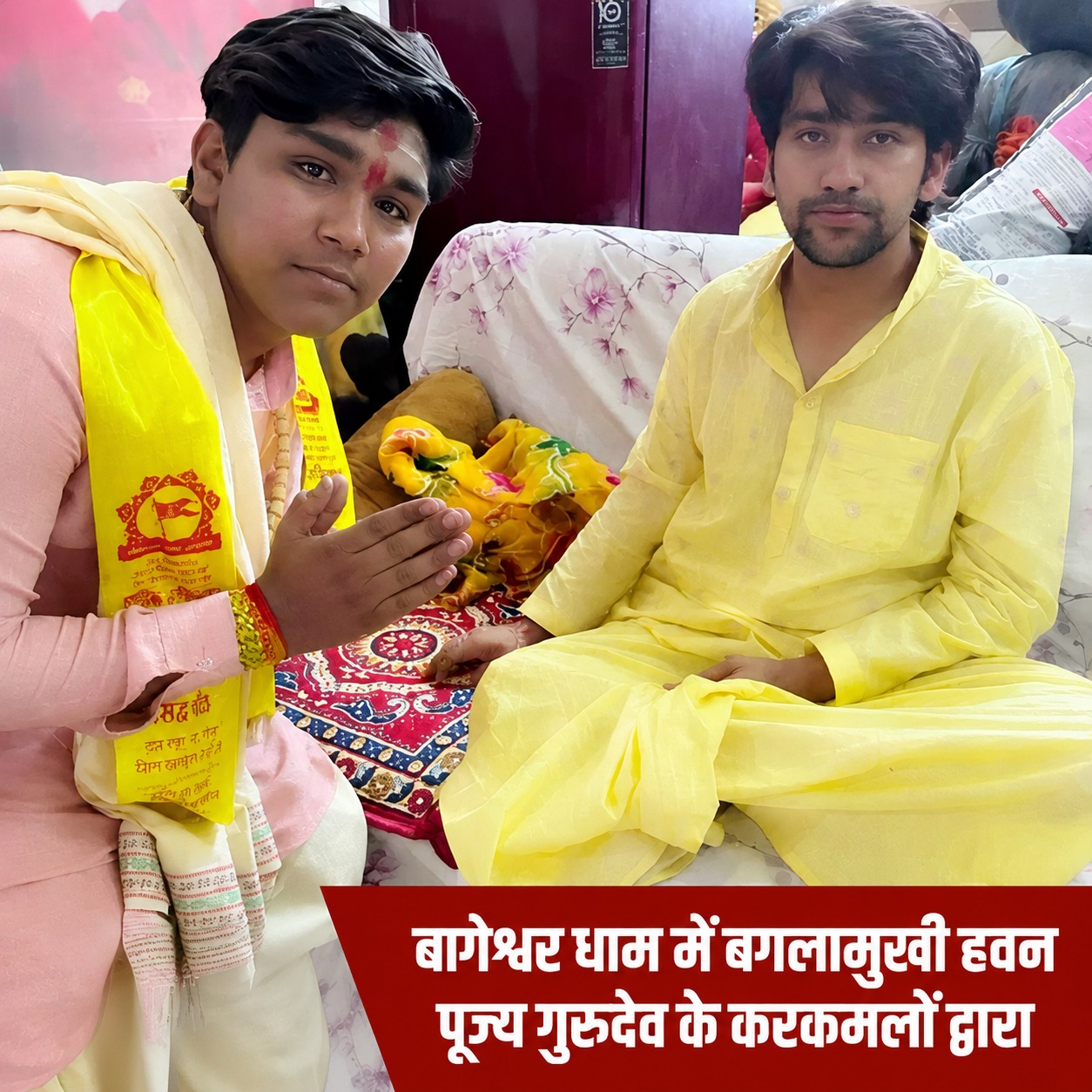
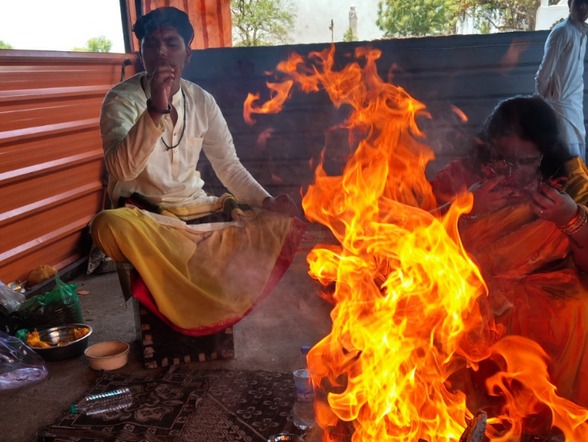
बगलामुखी मूल मंत्र से महामृत्युंजय तक—पाँच मंत्र, उनके उपयोग और उच्चारण पर टिप्पणियों सहित।
मंत्र साधना का सबसे सुलभ रूप है। इसके लिए किसी विशेष उपकरण, किसी विशिष्ट स्थान या विस्तृत तैयारी की आवश्यकता नहीं होती। एक शुद्ध जिह्वा, एक स्थिर आसन और कुछ मिनटों के अटूट ध्यान वाला भक्त कहीं भी, कभी भी मंत्र का अभ्यास कर सकता है। वर्षों से भक्त अक्सर पूछते हैं कि नित्य-जीवन के लिए कौन से मंत्र सबसे अधिक जानने योग्य हैं। पाँच मंत्र विशेष रूप से महत्त्वपूर्ण हैं, प्रत्येक का एक विशिष्ट कार्य और एक विशिष्ट अनुशासन है।
पहला है बगलामुखी मूल मंत्र। यह पीतांबरा देवी, आठवीं महाविद्या का मूल मंत्र है। यह एक स्तम्भन मंत्र है— इसका कार्य हानिकारक गति को रोकना है, चाहे वह कानूनी हो, सामाजिक हो या अदृश्य हो। यह पारंपरिक रूप से एक योग्य गुरु से व्यक्तिगत रूप से उचित विनियोग, न्यास और ध्यान के साथ प्राप्त किया जाता है। हम इस पूर्ण मंत्र को मुद्रित रूप में या ऑनलाइन प्रकाशित नहीं करते हैं; यह एक परंपरा है जिसका हम अभ्यास की गंभीरता के प्रति सम्मान रखते हुए पालन करते हैं। जिस भक्त को वास्तव में इस मंत्र की आवश्यकता है, उसे व्यक्तिगत रूप से एक आचार्य से संपर्क करना चाहिए, औपचारिक दीक्षा लेनी चाहिए और उचित संदर्भ में इस अभ्यास को सीखना चाहिए।
दूसरा है भगवान शिव का महामृत्युंजय मंत्र। यह महान आरोग्य मंत्र है, जिसका उपयोग अकाल मृत्यु से रक्षा, गंभीर बीमारी से उबरने और गहन मनोवैज्ञानिक पीड़ा को कम करने के लिए किया जाता है। बगलामुखी मूल मंत्र के विपरीत, महामृत्युंजय पूर्णतः सार्वजनिक है और किसी भी भक्त द्वारा बिना औपचारिक दीक्षा के अभ्यास किया जा सकता है, यद्यपि गुरु से प्राप्त होने पर इसकी गहराई बढ़ जाती है। मंत्र है: ॐ त्र्यम्बकं यजामहे सुगन्धिं पुष्टिवर्धनम्, उर्वारुकमिव बन्धनान् मृत्योर्मुक्षीय मामृतात्। इसे पारंपरिक रूप से एक सौ आठ के चक्रों में जपा जाता है, आदर्श रूप से रुद्राक्ष की माला पर, स्पष्ट उच्चारण और स्थिर श्वास पर ध्यान देते हुए।
तीसरा गायत्री मंत्र है, सभी मंत्रों की जननी, जो बुद्धि के स्रोत के रूप में सूर्य के तेज को समर्पित है। गायत्री को प्रत्येक भक्त के लिए दैनिक अभ्यास के रूप में अनुशंसित किया जाता है, चाहे उनकी इष्ट-देवता कोई भी हों। इसे तीन संध्याओं — भोर, दोपहर और संध्या — में जपा जाता है, यद्यपि आज कई भक्त इसे केवल भोर में ही करते हैं। मंत्र है: ॐ भूर्भुवः स्वः, तत् सवितुर्वरेण्यम्, भर्गो देवस्य धीमहि, धियो यो नः प्रचोदयात्। प्रतिदिन केवल एक माला गायत्री भी, महीनों तक निरंतर अभ्यास करने पर, विचार की स्पष्टता और मन की स्थिरता में उल्लेखनीय परिवर्तन लाती है।
चौथा गणेश मंत्र है, ॐ गं गणपतये नमः। यह आरंभ का, बाधाओं को दूर करने का, और किसी भी नए कार्य से पहले मार्ग खोलने का मंत्र है। भक्त इसे दिन की शुरुआत में, किसी भी महत्वपूर्ण बैठक से पहले, और किसी भी बड़ी साधना के प्रारंभ में जपते हैं। यह छोटा है, याद रखने में आसान है, और किसी भी गतिविधि की शुरुआत में एक शांत, शुभ अवस्था उत्पन्न करने में remarkably प्रभावी है।
पांचवां सरस्वती मंत्र है, ॐ ऐं सरस्वत्यै नमः। यह विद्या का, स्पष्ट वाणी का, और कलात्मक क्षमता का मंत्र है। परीक्षा की तैयारी कर रहे छात्र, महत्वपूर्ण प्रस्तुतियों की तैयारी कर रहे पेशेवर, अभिव्यक्ति की स्पष्टता चाहने वाले लेखक और कलाकार — सभी इस मंत्र के नियमित अभ्यास से लाभान्वित होते हैं। यह विशेष रूप से शुक्ल पक्ष में भोर के समय अभ्यास करने पर शक्तिशाली होता है।
उच्चारण कई भक्तों के अनुमान से कहीं अधिक मायने रखता है। संस्कृत मंत्र विशिष्ट फोनेटिक आवृत्तियों के लिए कैलिब्रेटेड होते हैं, और आकस्मिक गलत उच्चारण इसके प्रभाव को काफी कम कर देता है। यदि आप पाठ से कोई मंत्र सीख रहे हैं, तो अपने उच्चारण को ठीक करने से पहले किसी प्रशिक्षित पंडित द्वारा विश्वसनीय पाठ सुनें। शुरुआत में इस पर बिताए गए कुछ मिनट गलत संस्करण का अभ्यास करने के वर्षों को बचाते हैं।
माला भी मायने रखती है। पारंपरिक सामग्री हैं: शिव मंत्रों के लिए रुद्राक्ष, विष्णु मंत्रों के लिए तुलसी, सामान्य रूप से देवी मंत्रों के लिए स्फटिका (क्रिस्टल), विशेष रूप से बगलामुखी के लिए हल्दी, और लक्ष्मी के लिए कमल का बीज। प्रत्येक सामग्री का अपना सूक्ष्म गुण होता है और यह उस मंत्र को सुदृढ़ करती है जिसके लिए इसका उपयोग किया जाता है। एक भक्त विभिन्न मंत्रों के लिए अलग-अलग मालाएँ रख सकता है और उपयोग में न होने पर उन्हें साफ सूती थैलियों में रख सकता है।
मंत्र का अनुशासन बताना तो सरल है, पर इसे बनाए रखना चुनौतीपूर्ण है। एक निश्चित समय चुनें। एक निश्चित आसन चुनें। repetitions की एक निश्चित संख्या चुनें — एक माला, तीन माला, ग्यारह माला — और उस संख्या को प्रतिदिन बिना किसी अपवाद के पूरा करें। हर दिन एक ही समय पर एक ही अभ्यास पर लौटने का अनुशासन ही संचयी प्रभाव उत्पन्न करता है। छिटपुट मंत्र अभ्यास छिटपुट परिणाम देता है।
मनोभाव पर एक टिप्पणी। किसी अन्य व्यक्ति को नुकसान पहुँचाने के इरादे से किया गया मंत्र अभ्यास ऐसे कर्मिक परिणाम उत्पन्न करता है जिन्हें बाद में कितना भी मंत्र पूरी तरह से साफ नहीं कर सकता। यह कोई रूपक नहीं है। वही मंत्र जो सही इरादे के साथ अभ्यास करने पर सुरक्षा प्रदान करता है, गलत इरादे के साथ अभ्यास करने पर प्रतिकूल प्रभाव उत्पन्न करता है। इसलिए, इरादे का अनुशासन अभ्यास के अनुशासन से अविभाज्य है।
एक मंत्र से शुरू करें। अनुशासन स्थापित करें। एक बार जब अभ्यास स्थिर हो जाए — एक बार जब आप बिना एक भी दिन छोड़े चालीस दिनों का एक पूर्ण मंडल पूरा कर लें — तो आप दूसरा मंत्र जोड़ सकते हैं। एक साथ पाँच मंत्रों को बनाए रखने की कोशिश करना, उनमें से किसी एक को अच्छी तरह से स्थापित किए बिना, नए भक्तों द्वारा की जाने वाली सबसे आम गलती है। अभ्यास की गहराई अभ्यासों की संख्या से कहीं अधिक मायने रखती है।
विशेष रूप से बगलामुखी मूल मंत्र की ओर आकर्षित भक्तों के लिए, कृपया दीक्षा लेने से पहले पीताम्बरा देवी के हमारे परिचय को पढ़ें, और पीताम्बरा देवी की पूजा पीले रंग के माध्यम से क्यों की जाती है में वर्णित क्रोमैटिक अनुशासन के साथ कुछ समय बिताएं। ये दोनों निबंध उस नींव को तैयार करते हैं जिस पर मूल मंत्र अभ्यास सुरक्षित रूप से टिका रह सकता है।
जब आप औपचारिक दीक्षा प्राप्त करने के लिए तैयार महसूस करें, या नलखेड़ा पीठ में अपनी ओर से मंत्र जाप सहित एक संकल्प का प्रायोजन करना चाहें, तो गुरु-शिष्य परंपरा पर हमारा निबंध बताता है कि एक आचार्य में क्या देखना चाहिए। हमारे पवित्र अर्पणों को ब्राउज़ करके देखें कि प्रत्येक मंत्र का उपयोग किन पूजाओं में किया जाता है, और प्रारंभिक बातचीत की व्यवस्था करने के लिए संपर्क पृष्ठ का उपयोग करें।
मंत्र अभ्यास की शारीरिक मुद्रा पर एक टिप्पणी, क्योंकि यह एक महत्वपूर्ण अंतर पैदा करती है और अक्सर अनदेखी की जाती है। एक साफ आसन पर बैठें— ऊनी या कुश घास की चटाई को प्राथमिकता दी जाती है — रीढ़ सीधी और सिर ऊपर की ओर उठा हुआ हो। अभ्यास के दौरान पैरों के तलवे नंगे फर्श को नहीं छूने चाहिए। माला दाहिने हाथ में, हृदय के स्तर पर पकड़ी जाती है, जिसमें मनके मध्यमा उंगली पर से गुजरते हैं और अंगूठे से हिलाए जाते हैं; तर्जनी माला को नहीं छूती। जब एक सौ आठ मनकों का एक पूर्ण चक्र पूरा हो जाए, तो मेरु मनके को पार न करें — दिशा बदलें और अगला चक्र शुरू करें। ये अंधविश्वास नहीं हैं; ये वह शारीरिक व्याकरण है जो मंत्र को समय के साथ अपना प्रभाव जमा करने की अनुमति देता है।
श्वास और मंत्र को बलपूर्वक बिना स्वाभाविक समन्वय में आना चाहिए। प्रत्येक श्वास या प्रश्वास के साथ एक विशिष्ट संख्या में अक्षरों को सिंक्रनाइज़ करने का प्रयास न करें; बस मंत्र के आगे बढ़ने के साथ श्वास को गहरा और धीमा होने दें। कुछ ही मिनटों में, दोनों ताल स्वयं संरेखित हो जाती हैं। यदि मन भटकता है — और किसी भी नए अभ्यास के शुरुआती हफ्तों में यह भटकेगा — तो इसे आत्म-आलोचना के बिना मंत्र पर वापस लाएँ। भटकना स्वयं समस्या नहीं है। समस्या भटकन को नोटिस करने और फिर भी भटकते रहने का क्षण है; वह क्षण है जब अनुशासन का अभ्यास किया जाता है।
अंत में, अपने अभ्यास का एक साधारण लिखित लॉग रखें — तारीख, पूरी की गई मालाओं की संख्या, और जिस अवस्था में आप बैठे थे उसके बारे में कोई संक्षिप्त अवलोकन। यह आध्यात्मिक लेखांकन के लिए नहीं है; यह ईमानदारी के लिए है। लॉग महीनों में आपके अभ्यास के वास्तविक पैटर्न को दृश्यमान बनाता है। यह उन दिनों को दर्शाता है जिन्हें आपने छोड़ा, असामान्य स्पष्टता की अवधि, वह ऋतुएँ जब अभ्यास गहरा हुआ और वह ऋतुएँ जब वह पतला हुआ। जब आप अगली बार अपने आचार्य से बात करते हैं, तो लॉग उन्हें काम करने के लिए कुछ ठोस देता है, और उनका मार्गदर्शन तदनुसार विशिष्ट हो जाता है।
एक और विचार है जिसे नए अभ्यासी अक्सर कम आंकते हैं: वह वातावरण जिसमें मंत्र का अभ्यास किया जाता है। घर का एक समर्पित कोना, जिसे साफ-सुथरा रखा जाता है और अभ्यास के लिए आरक्षित किया जाता है, महीनों में एक सूक्ष्म प्रतिध्वनि जमा करता है जो अभ्यास को उन तरीकों से सहारा देता है जिन पर साधक अंततः निर्भर हो जाता है। इसके लिए एक विस्तृत सेटअप की आवश्यकता नहीं होती है। एक साफ कपड़े के साथ एक छोटी नीची मेज, देवता की एक तस्वीर या छोटी मूर्ति, एक घी का दीपक, हल्दी का एक पात्र, और पानी के लिए एक छोटा पीतल का कप पर्याप्त हैं। महत्वपूर्ण यह है कि उस स्थान का उपयोग केवल अभ्यास के लिए किया जाता है — भंडारण के लिए नहीं, आकस्मिक बैठने के लिए नहीं, फोन पर बातचीत के लिए नहीं। समय के साथ, उस स्थान में प्रवेश करना ही उस स्थिति को प्रेरित करने लगता है जिसमें मंत्र सबसे आसानी से आगे बढ़ता है, और साधक के किसी और प्रयास के बिना अभ्यास गहरा होता जाता है।
गणना के अनुशासन पर एक समापन अवलोकन। जप के लिए नए भक्त अक्सर पूछते हैं कि क्या गुणवत्ता की परवाह किए बिना एक निश्चित दैनिक गणना पूरी करना बेहतर है, या एक निश्चित अवधि के लिए बैठना और उपलब्ध ध्यान से गणना को उभरने देना बेहतर है। शास्त्रीय उत्तर, जिसे लंबे अभ्यास से पुष्टि की गई है, यह है कि पहले वर्षों में निश्चित गणना अधिक विश्वसनीय अनुशासन है, क्योंकि यह साधारण व्यस्तता के दबाव में छोटे से छोटे सत्रों की ओर सूक्ष्म विचलन को रोकता है। एक बार जब अभ्यास वास्तव में स्थापित हो जाता है — आमतौर पर दो या तीन साल के अटूट दैनिक पालन के बाद — तो साधक सुरक्षित रूप से अवधि-आधारित दृष्टिकोण पर जा सकता है, क्योंकि आंतरिक आदत पर्याप्त होती है ताकि अनुशासन बाहरी रूप से लागू न होने पर भी गणना बनी रहे। तब तक, एक गणना चुनें और उसे प्रतिदिन पूरा करें। अनुशासन की स्पष्ट कठोरता ही अंततः आंतरिक स्वतंत्रता उत्पन्न करती है।
✦ अक्सर पूछे जाते हैं ✦
भक्तों के प्रश्न
इस विषय से जुड़ी व्यक्तिगत साधना कैसे आरंभ करूँ?+
आचार्य विशाल वैष्णव से बात करें। वे आपकी स्थिति के अनुसार सरल दैनिक साधना एवं यथासमय नलखेड़ा पीठ पर उपयुक्त संकल्प पूजा का सुझाव देंगे।
यदि मैं यात्रा नहीं कर सकता तो क्या पूजा दूरस्थ रूप से सम्पन्न हो सकती है?+
हाँ। संकल्प आपके नाम एवं गोत्र से नलखेड़ा मूलपीठ पर लिया जाता है, तथा सम्पूर्ण अनुष्ठान का लाइव वीडियो साझा किया जाता है। प्रसाद एवं यंत्र बाद में कूरियर द्वारा भेजे जाते हैं।
क्या परंपरा प्रामाणिक एवं सत्यापन-योग्य है?+
प्रत्येक अनुष्ठान आचार्य विशाल वैष्णव के मार्गदर्शन में परंपरा-प्रशिक्षित पंडितों द्वारा मूल नलखेड़ा पीठ पर सम्पन्न होता है, तथा सामग्री प्रामाणिक स्रोतों से मंगवाई जाती है।
संपर्क कैसे करें?+
संपर्क फॉर्म का उपयोग करें, सीधे कॉल करें या व्हाट्सएप पर संदेश भेजें। किसी भी संकल्प की पुष्टि से पूर्व आचार्य प्रत्येक भक्त से व्यक्तिगत रूप से बात करते हैं।
✦ अगला चरण उठाएँ ✦
नलखेड़ा पीठ पर पूजा बुक करें
यदि यह लेख आपकी परिस्थिति से मेल खाता है, तो आचार्य से बात करें। प्रत्येक संकल्प व्यक्तिगत संवाद से आरंभ होता है।