परंपरा का वास्तविक अर्थ, और 2025 में एक तांत्रिक-वैदिक आचार्य की प्रामाणिकता का मूल्यांकन कैसे करें।
गुरु-शिष्य परंपरा — गुरु और शिष्य की यह परंपरा — प्रत्येक भारतीय आध्यात्मिक वंश की आधार-संरचना है। ग्रंथ कागज़ पर सुरक्षित रह सकते हैं। अनुष्ठानों का वर्णन पुस्तिकाओं में किया जा सकता है। परंतु अभ्यास का जीवंत संचरण, मंत्र-विद्या का सीधा हस्तांतरण, शिष्य को परंपरा की ऊर्जावान आवृत्ति के अनुरूप ढालना — ये बातें केवल एक योग्य गुरु और एक इच्छुक शिष्य के बीच, व्यक्तिगत रूप से, वर्षों तक घटित होती हैं।
इंटरनेट ने स्वयं को आचार्य कहना आसान बना दिया है। इसने, विरोधाभासी रूप से, यह जाँच करना भी आसान बना दिया है कि कोई व्यक्ति वास्तव में ऐसा है या नहीं। कुछ अच्छी तरह से चुने गए प्रश्न, सम्मानपूर्वक पूछे गए और ईमानदारी से उत्तर दिए गए, आमतौर पर एक वंश-अभ्यासी को किसी ऐसे व्यक्ति से अलग करने के लिए पर्याप्त होते हैं जिसने अधूरे समझे गए ग्रंथों के टुकड़ों के चारों ओर एक मार्केटिंग उपस्थिति बनाई है।
पहला प्रश्न परंपरा का प्रश्न है। आचार्य से अपने गुरु, अपने गुरु के गुरु, और जहाँ संभव हो, उनसे पहले के गुरु का नाम बताने के लिए कहें। एक वास्तविक आचार्य बिना किसी झिझक के इसका उत्तर देते हैं। वे आमतौर पर बता सकते हैं कि दीक्षा कहाँ प्राप्त हुई थी, किस वर्ष में, और उनके वंश की प्रमुख मंत्र-विद्याएँ क्या हैं। वे उत्तराधिकार की पंक्ति को एक जीवित इतिहास के रूप में वर्णित कर सकते हैं, न कि नामों की सूची के रूप में। यदि उत्तर टालमटोल भरा हो, यदि नाम नहीं दिए जा सकें, यदि उत्तराधिकार की पंक्ति अस्पष्ट हो — तो सावधानी बरतें।
दूसरा प्रश्न पीठ का प्रश्न है। आचार्य से पूछें कि वे किस मूलपीठ से संबद्ध हैं, या वे किस मंदिर की सेवा करते हैं। प्रामाणिक बगलामुखी आचार्य आमतौर पर तीन प्रमुख पीठों — नलखेड़ा, दतिया, या कांगड़ा — में से किसी एक से संबद्ध होते हैं, या किसी मान्यता प्राप्त वंश से जुड़े होते हैं जो उनमें से किसी एक से जुड़ा हुआ है। संबद्धता का अर्थ निवास नहीं है; कई आचार्य भक्तों की सेवा पीठ से दूर शहर से करते हुए भी उसके साथ एक कामकाजी संबंध बनाए रखते हैं। परंतु संबंध वास्तविक और सत्यापन योग्य होना चाहिए।
तीसरा प्रश्न ग्रंथ का प्रश्न है। पूछें कि आचार्य अपनी विधियों को किन शास्त्रीय ग्रंथों से प्राप्त करते हैं। बगलामुखी के लिए, प्रमुख ग्रंथों में मंत्र महार्णव, तंत्र सार, शक्तिसंगम तंत्र, और कई वंश-विशिष्ट पद्धति पुस्तिकाएँ शामिल हैं। एक वास्तविक आचार्य इन ग्रंथों का नाम बता सकते हैं और उनकी सामग्री पर चर्चा कर सकते हैं। उन्हें अकादमिक व्याख्या करने की आवश्यकता नहीं है, परंतु उन्हें यह इंगित करने में सक्षम होना चाहिए कि कौन सा ग्रंथ उनके द्वारा किए जाने वाले अभ्यास के किस पहलू को नियंत्रित करता है।
चौथा प्रश्न, और अक्सर सबसे रहस्योद्घाटनकारी, सुनने का प्रश्न है। क्या आचार्य किसी अनुष्ठान का प्रस्ताव करने से पहले आपकी स्थिति को विस्तार से समझने पर जोर देते हैं, या क्या वे पहली ही बातचीत में एक सामान्य समाधान के लिए कीमत बताते हैं? वास्तविक आचार्य ध्यान से सुनते हैं। वे आपकी स्थिति के इतिहास, इसमें शामिल लोगों, आपके अपने आचरण के बारे में पूछते हैं। वे आपकी विशिष्ट परिस्थितियों के लिए किसी भी प्रस्तावित अनुष्ठान की उपयुक्तता की जाँच करते हैं। वे कभी-कभी संकल्प करने से भी इनकार कर देते हैं यदि वे यह निष्कर्ष निकालते हैं कि यह नैतिक रूप से सही नहीं होगा। धोखेबाज व्यवसायी बेचते हैं। उनके पास एक उत्पाद है, उनके पास एक कीमत है, और उन्हें आपके जीवन के सार में कोई दिलचस्पी नहीं है।
पांचवां प्रश्न अनुशासन का प्रश्न है। क्या आचार्य आपसे व्यक्तिगत रूप से कुछ मांगते हैं, जो अनुष्ठान वे करने का प्रस्ताव करते हैं उसके साथ? प्रामाणिक संकल्प में हमेशा भक्त की ओर से व्यक्तिगत अनुशासन शामिल होता है — आहार संबंधी पालन, मंत्र अभ्यास, वेशभूषा, साधना की अवधि के लिए विशिष्ट गतिविधियों से बचना। एक आचार्य जो बिना किसी संबंधित व्यक्तिगत अनुशासन के अनुष्ठान का प्रस्ताव करता है, वह संकेत दे रहा है कि अनुष्ठान को देवता के साथ संबंधपरक जुड़ाव के बजाय एक लेन-देन वाले उत्पाद के रूप में कार्य करने का इरादा है।
गुरु पाठ्यपुस्तकों से क्या भिन्न प्रदान करते हैं? कई चीजें, उनमें से प्रत्येक महत्वपूर्ण है। पहला है दीक्षा — औपचारिक initiation जो शिष्य को विशिष्ट मंत्रों का अभ्यास करने के लिए अधिकृत करती है और ऊर्जावान संचरण प्रदान करती है जो अभ्यास को सक्रिय करता है। दीक्षा के बिना, पुस्तक से जपा गया मंत्र मौखिक रूप से सही होता है लेकिन ऊर्जात्मक रूप से निष्क्रिय। दूसरा है अंशांकन (calibration) — गुरु समय के साथ शिष्य के अभ्यास को देखते हैं और शिष्य की क्षमता बदलने पर अनुशासन को समायोजित करते हैं। तीसरा है नैतिक मार्गदर्शन — गुरु शिष्य को अभ्यास के अनुशासन में बनाए रखने के लिए जिम्मेदार होते हैं, और गंभीर होने से पहले सूक्ष्म विचलन को ठीक करते हैं। चौथा है परंपरा को आगे ले जाना — गुरु शिष्य को वह सब कुछ पूर्ण रूप से transmit करते हैं जो उन्होंने स्वयं प्राप्त किया था, इस उम्मीद के साथ कि शिष्य बदले में इसे अगली पीढ़ी तक transmit करेगा।
यह संबंध व्यावसायिक नहीं है। यह पिता और पुत्र, या कुशल कारीगर और प्रशिक्षु के संबंध के अधिक करीब है। गुरु शिष्य को अपने अनुष्ठानिक परिवार में लेते हैं। वे वर्षों और दशकों तक शिष्य के आध्यात्मिक जीवन पर नज़र रखते हैं। जब शिष्य गलती की संभावना में होता है तो वे हस्तक्षेप करते हैं। वे शिष्य के अभ्यास के कर्मिक परिणामों के लिए जिम्मेदारी साझा करते हैं। यही कारण है कि वास्तविक आचार्य नए शिष्यों को धीरे-धीरे और सावधानीपूर्वक जाँच के बाद स्वीकार करते हैं — यह संबंध, एक बार प्रवेश करने के बाद, इस तरह से बाध्यकारी होता है जिसे कोई अनुबंध पकड़ नहीं सकता।
जो भक्त स्वयं दीक्षा की तलाश नहीं कर रहे हैं बल्कि केवल एक संकल्प प्रायोजित करना चाहते हैं, उनके लिए भी यही सिद्धांत हल्के रूप में लागू होते हैं। आप जिस आचार्य को कार्य सौंपते हैं, वह ऐसा होना चाहिए जिसके वंश को आप सत्यापित कर सकें, जिसकी पीठ संबद्धता की आप पुष्टि कर सकें, जिसकी पाठ्यगत आधारशिला की आप जाँच कर सकें, जिसके श्रवण का आप अनुभव कर सकें, और जिसके अनुशासन-आग्रह का आप सम्मान कर सकें। यह paranoia नहीं है। यह सामान्य विवेक है जिसकी किसी भी गंभीर आध्यात्मिक जुड़ाव के लिए आवश्यकता होती है।
एक बार जब आपको ऐसा आचार्य मिल जाता है जो इन परीक्षाओं को पार कर लेता है, तो संबंध वर्षों तक गहरा हो सकता है। भक्त अक्सर किसी विशिष्ट स्थिति के लिए एक एकल संकल्प से शुरुआत करते हैं, अनुभव को सार्थक पाते हैं, अन्य मामलों पर मार्गदर्शन के लिए लौटते हैं, और समय के साथ आचार्य को पुराने अर्थों में अपने पारिवारिक पुरोहित के रूप में देखने लगते हैं — वह व्यक्ति जिससे सभी प्रमुख जीवन घटनाओं के आध्यात्मिक आयाम पर सलाह ली जाती है। यह विकास स्वाभाविक और स्वस्थ है। यह भी वह तरीका है जिससे परंपरा अगली पीढ़ी के गृहस्थों में स्वाभाविक रूप से विस्तार करती है।
जो पाठक बगलामुखी साधना के विशिष्ट मामले पर गुरु-शिष्य सिद्धांत को लागू होते देखना चाहते हैं, उनके लिए तंत्र-वैदिक एकीकरण और पाँच मंत्र जो हर भक्त को जानने चाहिए पर हमारे निबंध यह दिखाएंगे कि दैनिक जीवन में उचित रूप से निर्देशित अभ्यास कैसा दिखता है।
यदि आप किसी आचार्य के साथ औपचारिक संबंध बनाने के लिए आकर्षित महसूस करते हैं, या केवल किसी विशिष्ट स्थिति के लिए एक सुस्थापित संकल्प का आदेश देना चाहते हैं, तो प्रारंभिक बातचीत की व्यवस्था के लिए संपर्क पृष्ठ का उपयोग करें। पवित्र पेशकशों को पहले देखें ताकि आपके प्रश्न विशिष्ट हो सकें। दीक्षा या संकल्प कभी भी पहली बातचीत में प्रस्तावित नहीं किया जाता; पहली बातचीत हमेशा सुनने के बारे में होती है।
एक प्रश्न विशिष्ट उपचार का हकदार है: शिष्य गुरु का क्या ऋणी है? परंपरा शिष्य-धर्म के कई रूपों का नाम बताती है, जिनकी अपेक्षा किसी भी छात्र से की जाती है जो संबंध में प्रवेश करता है। पहला ईमानदारी है — शिष्य अपनी स्थिति, अपने इरादों या अपने अभ्यास के बारे में कुछ भी महत्वपूर्ण नहीं छिपाता है। छिपाना जड़ से संचरण को भ्रष्ट करता है। दूसरा नियमितता है — गुरु द्वारा दिया गया अभ्यास नाटकीय अंतरालों के बिना हर दिन किया जाता है, और गुरु को किसी भी अवधि के बारे में सूचित किया जाता है जिसके दौरान अभ्यास बाधित हुआ है। तीसरा विवेक है — दीक्षा की विशिष्टताएँ, प्राप्त मंत्र, और किए गए अभ्यास casually दूसरों के साथ साझा नहीं किए जाते हैं। चौथा सेवा है — शिष्य, जब परिस्थितियाँ अनुमति देती हैं, गुरु के मिशन को व्यावहारिक समर्थन प्रदान करता है, चाहे वह वित्तीय, तार्किक या व्यक्तिगत हो।
इनमें से कोई भी दायित्व लेन-देन संबंधी नहीं है। जब शिष्य अपने पालन में अपूर्ण रहा हो तो गुरु मार्गदर्शन नहीं रोकते; सुधार की पेशकश की जाती है, और संबंध जारी रहता है। परंतु एक शिष्य जो लगातार इन चारों बिंदुओं पर विफल रहता है, किसी भी सार्थक अर्थ में, उस गुरु का वास्तव में शिष्य नहीं है। संबंध को दोनों पक्षों से भागीदारी की आवश्यकता होती है, और समय के साथ इसकी गहराई शिष्य की इसमें स्थिर उपस्थिति के अनुपात में होती है।
जो भक्त औपचारिक दीक्षा की तलाश नहीं कर रहे हैं, बल्कि वर्षों तक एक योग्य आचार्य के साथ सम्मानजनक संपर्क में रहना चाहते हैं, उनके लिए उन्हीं सिद्धांतों का एक हल्का संस्करण लागू होता है। ईमानदारी से बात करें। आपको दिए गए अनुशासन बनाए रखें। एक ही मामले पर प्रतिस्पर्धात्मक राय के लिए कई आचार्यों के बीच खरीदारी न करें। जब परिस्थितियाँ अनुमति दें, तो प्रत्येक संकल्प के पूरा होने पर थोड़ी दक्षिणा अर्पित करें — राशि का महत्व हावभाव से कम है। समय के साथ, इस संबंध का हल्का संस्करण भी कुछ ऐसा गहरा होता जाता है जो पारिवारिक पुरोहित के पुराने अर्थ जैसा लगने लगता है, और आपको उपलब्ध मार्गदर्शन तदनुसार आपके विशिष्ट जीवन के लिए अधिक समृद्ध और अधिक सूक्ष्म रूप से अंशांकित हो जाता है।
यह भी ध्यान देने योग्य है कि गुरु-शिष्य संबंध दोनों पक्षों के जैविक जीवनकाल से परे कैसे विस्तृत होता है। एक गुरु जो गुजर चुका है, परंपरा के भीतर, उस शिष्य के लिए एक जीवित उपस्थिति बना रहता है जो उससे प्राप्त अभ्यास को जारी रखता है। शिष्य प्रत्येक महत्वपूर्ण साधना की शुरुआत में गुरु का आह्वान करना जारी रखता है, गुरु के बारे में श्रद्धा के साथ बात करना जारी रखता है, और अभ्यास को — जहाँ अधिकृत हो — छात्रों की अगली पीढ़ी तक transmit करना जारी रखता है। इस तरह, परंपरा सदियों तक स्वयं को बनाए रखती है। प्रत्येक आचार्य जो वर्तमान में एक वास्तविक वंश के भीतर शिक्षा दे रहा है, वह वास्तविक अर्थ में, पूर्ववर्तियों की एक लंबी श्रृंखला की ओर से शिक्षा दे रहा है जो उनके अभ्यास में आंतरिक रूप से मौजूद हैं। जब आप ऐसे आचार्य के साथ संबंध बनाते हैं, तो आप पूरी श्रृंखला के साथ संबंध बना रहे होते हैं, और यह बड़ी उपस्थिति ही है जिसे परंपरा का अनुशासन अक्षुण्ण रखने के लिए डिज़ाइन किया गया है।
✦ अक्सर पूछे जाते हैं ✦
भक्तों के प्रश्न
इस विषय से जुड़ी व्यक्तिगत साधना कैसे आरंभ करूँ?+
आचार्य विशाल वैष्णव से बात करें। वे आपकी स्थिति के अनुसार सरल दैनिक साधना एवं यथासमय नलखेड़ा पीठ पर उपयुक्त संकल्प पूजा का सुझाव देंगे।
यदि मैं यात्रा नहीं कर सकता तो क्या पूजा दूरस्थ रूप से सम्पन्न हो सकती है?+
हाँ। संकल्प आपके नाम एवं गोत्र से नलखेड़ा मूलपीठ पर लिया जाता है, तथा सम्पूर्ण अनुष्ठान का लाइव वीडियो साझा किया जाता है। प्रसाद एवं यंत्र बाद में कूरियर द्वारा भेजे जाते हैं।
क्या परंपरा प्रामाणिक एवं सत्यापन-योग्य है?+
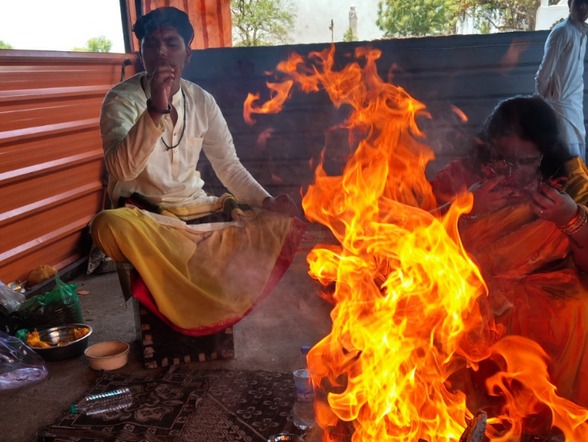
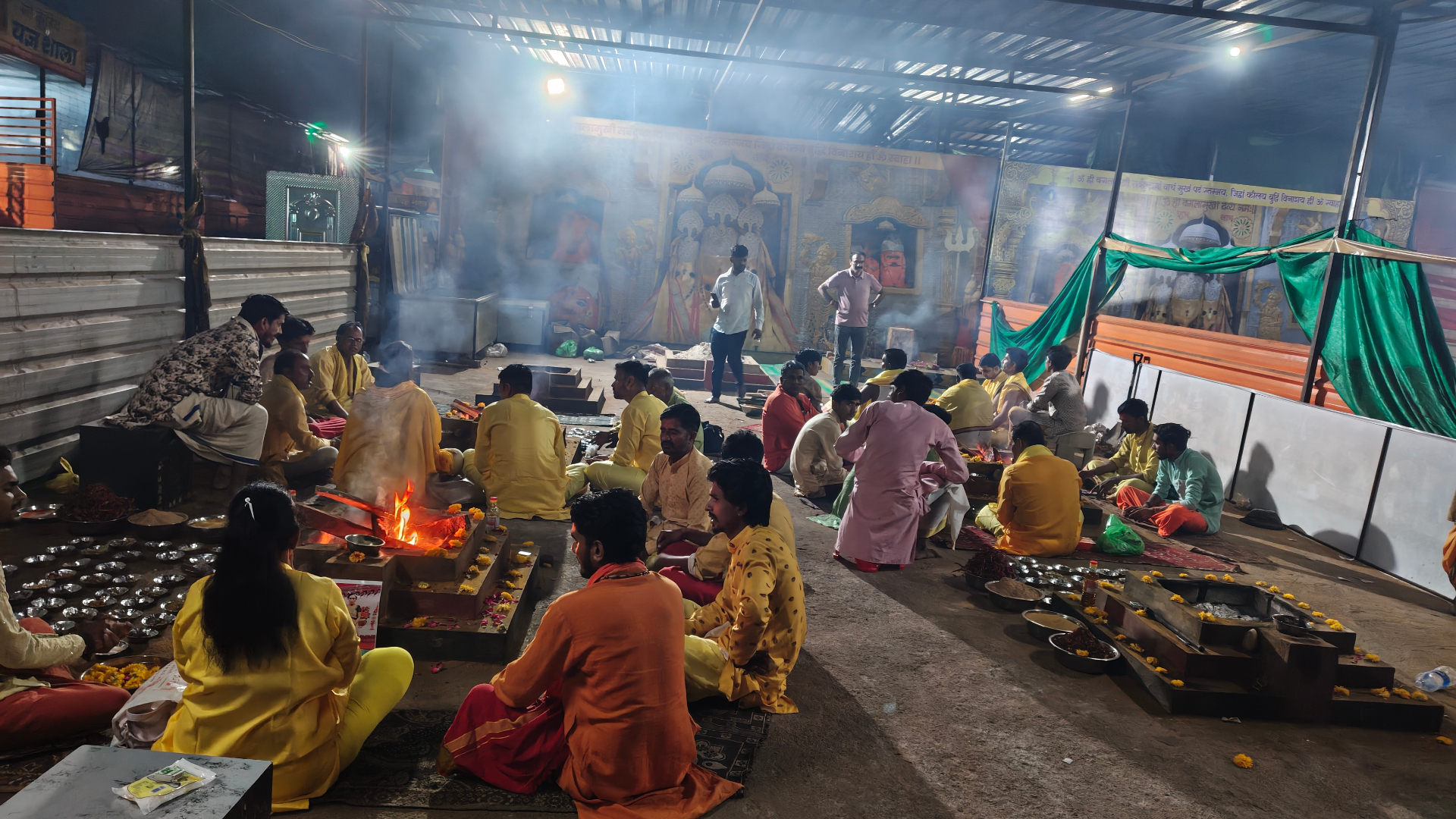
प्रत्येक अनुष्ठान आचार्य विशाल वैष्णव के मार्गदर्शन में परंपरा-प्रशिक्षित पंडितों द्वारा मूल नलखेड़ा पीठ पर सम्पन्न होता है, तथा सामग्री प्रामाणिक स्रोतों से मंगवाई जाती है।
संपर्क कैसे करें?+
संपर्क फॉर्म का उपयोग करें, सीधे कॉल करें या व्हाट्सएप पर संदेश भेजें। किसी भी संकल्प की पुष्टि से पूर्व आचार्य प्रत्येक भक्त से व्यक्तिगत रूप से बात करते हैं।
✦ अगला चरण उठाएँ ✦
नलखेड़ा पीठ पर पूजा बुक करें
यदि यह लेख आपकी परिस्थिति से मेल खाता है, तो आचार्य से बात करें। प्रत्येक संकल्प व्यक्तिगत संवाद से आरंभ होता है।