हल्दी, सोना, सरसों, गेंदा - माँ बगलामुखी की रंगीन पहचान और यह हमें क्या सिखाती है।
पीताम्बरा माँ बगलामुखी का एक प्रमुख नाम है, जिससे उनका आवाहन किया जाता है। इस शब्द का शाब्दिक अर्थ है 'पीले वस्त्र धारण करने वाली' — 'पीत' का अर्थ पीला और 'अम्बर' का अर्थ वस्त्र होता है। पीला रंग उनकी छवि में कलात्मक पसंद से जोड़ा गया कोई सजावटी आभूषण नहीं है। यह ब्रह्मांड में उनके कार्य की रंगीन पहचान है, और इसे समझने से उनकी साधना के हर आयाम में गहराई आती है।
तांत्रिक परंपरा के रंग सिद्धांत में, पीला एक विशिष्ट स्थान रखता है। यह अवरोध का रंग है — गति का वह ठहराव, जो धर्म को पुनः स्थापित होने देता है। लाल सक्रियता का रंग है, सफेद विघटन का, काला गोपनीयता का, नीला विस्तार का। पीला वह रंग है जो थाम लेता है। जब ब्रह्मांड में किसी शक्ति को नष्ट किए बिना निष्क्रिय करना होता है, तो पीला वह रंगीन माध्यम है जिसके द्वारा गतिरोध उत्पन्न होता है।
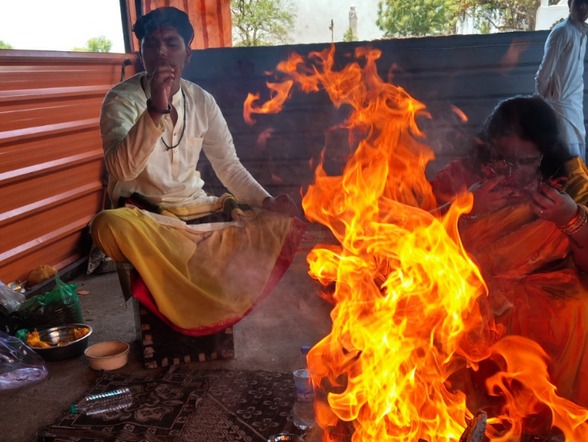
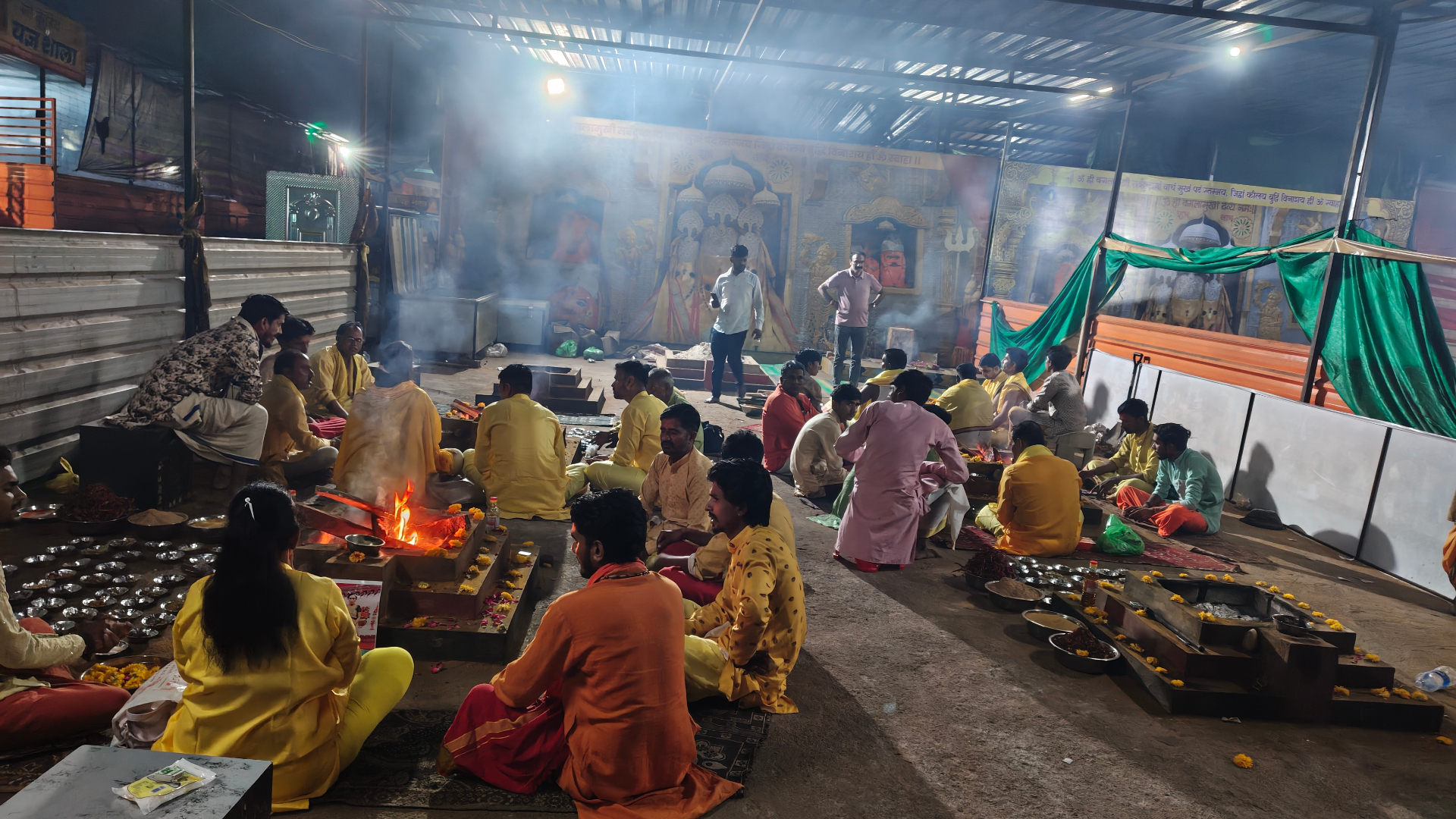
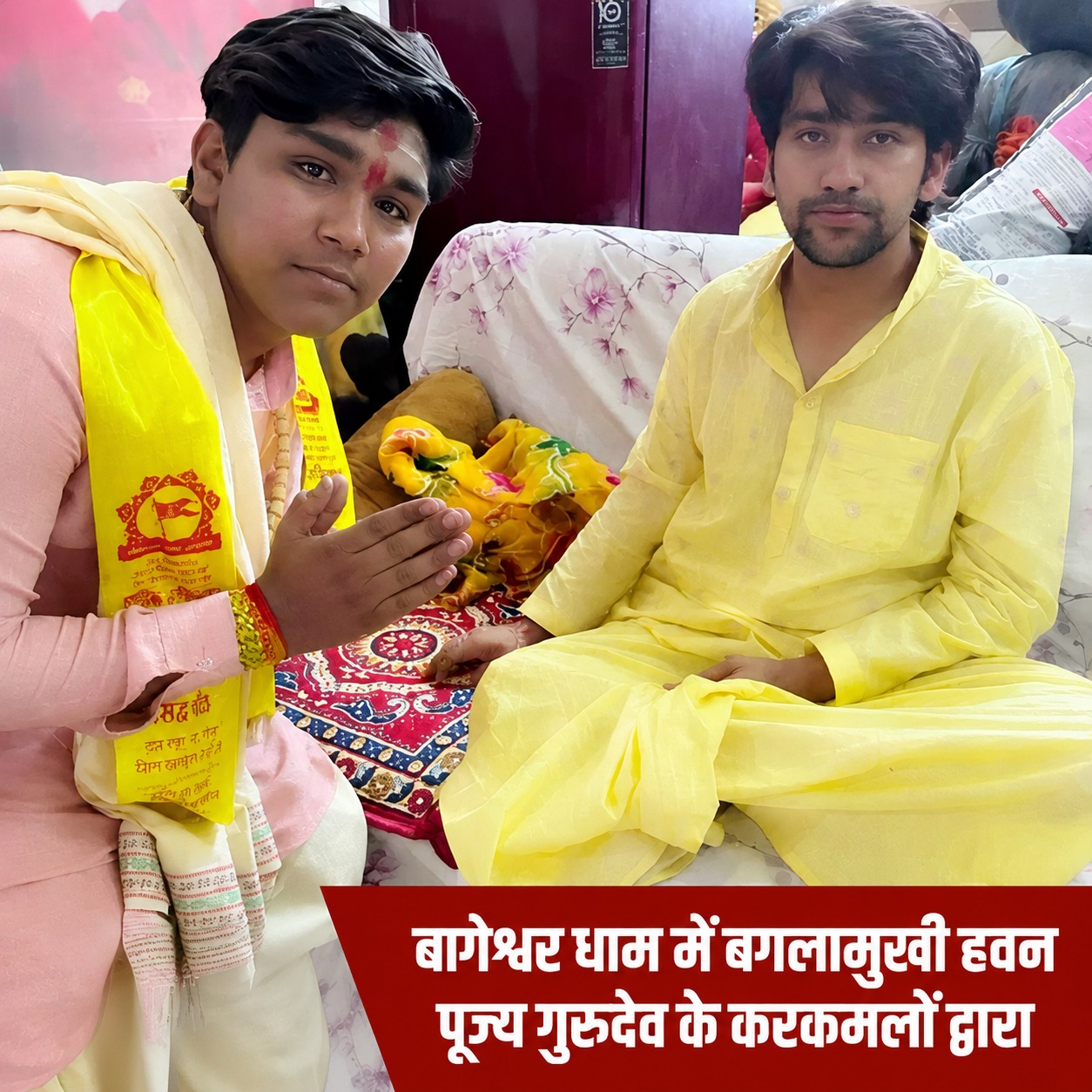
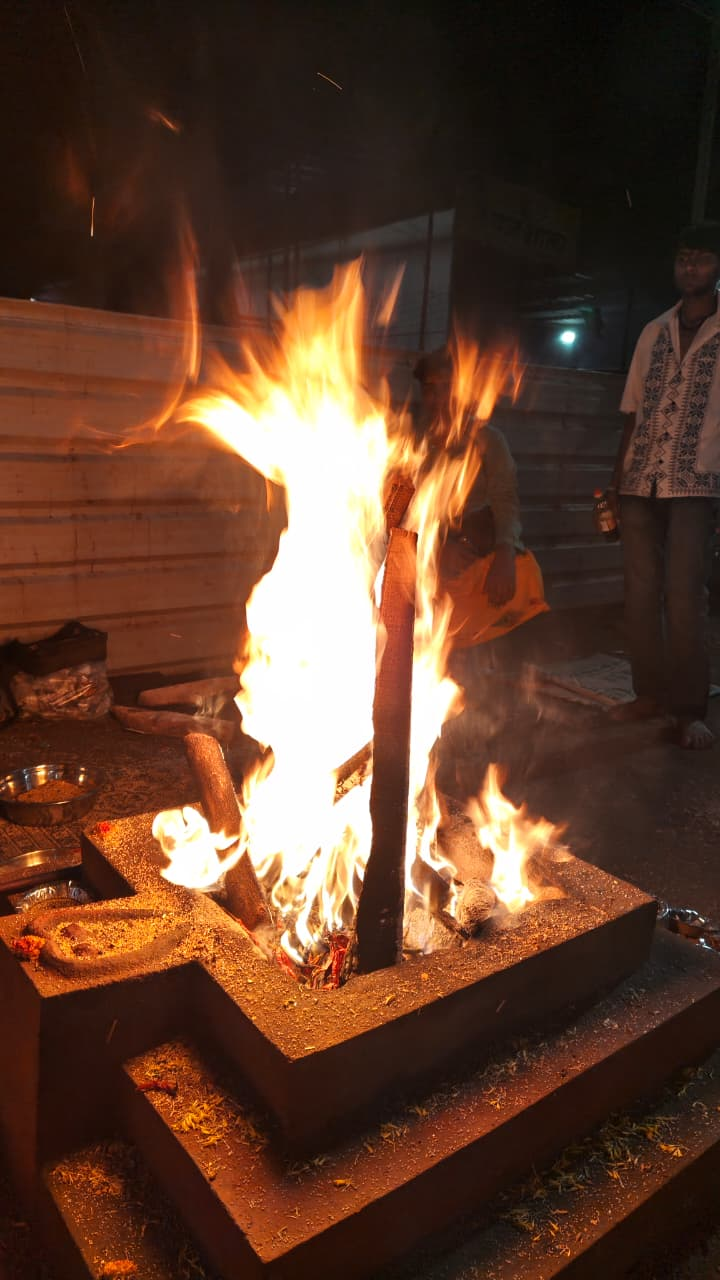
यही कारण है कि बगलामुखी अनुष्ठान का हर दृश्य तत्व पीला होता है। उनकी प्रतिमा को पहनाया जाने वाला पीताम्बर। उनके चरणों में चढ़ाए जाने वाले पीले फूल — गुलदाउदी, गेंदा, पीला कमल। उनकी मूर्ति पर और भक्त को लगाई जाने वाली हल्दी। हवन में बिखेरी जाने वाली पीली सरसों। वह पीला आसन जिस पर भक्त बैठता है। वह हल्दी माला जिस पर मूल मंत्र का जप किया जाता है। साधना के दौरान भक्त का स्वयं का वस्त्र — पीला कुर्ता, धोती या साड़ी, कभी-कभी भगवा किनारी के साथ।
हल्दी पर विशेष ध्यान देना चाहिए। यह प्रकृति में पाए जाने वाले पीले रंग का सबसे सघन रूप है, और इसमें औषधीय गुण होते हैं — सूजन-रोधी, रोगाणुरोधी, रक्त-शोधक — जिन्हें पारंपरिक भारतीय चिकित्सा में मान्यता प्राप्त है। बगलामुखी अनुष्ठान में, हल्दी देवी को अर्पित की जाती है, हवन सामग्री में मिलाई जाती है, भक्त के माथे पर लगाई जाती है, और किसी भी गंभीर पूजा की शुरुआत में हल्दी-जल आचमन के रूप में दी जाती है। आचमन केवल प्रतीकात्मक नहीं है; यह शरीर को संकल्प की ऊर्जा धारण करने के लिए शारीरिक रूप से तैयार करता है।
सोना उसी रंगीन क्षेत्र को सुदृढ़ करता है। माँ बगलामुखी का ध्यान में वर्णन है कि वे अमृत के सागर के मध्य में सोने के सिंहासन पर विराजमान हैं। भक्त जहाँ संभव हो, उन्हें सोने के आभूषण अर्पित करते हैं, और नलखेड़ा स्थित मंदिर की मूर्ति पीढ़ियों से भक्तों द्वारा अर्पित किए गए पर्याप्त स्वर्ण आभूषणों से सुसज्जित है। जहाँ भौतिक सोना उपलब्ध या उचित न हो, वहाँ सोने के रंग के वस्त्र और सुनहरी किनारी वाले पीले वस्त्र उसी उद्देश्य की पूर्ति करते हैं।
कई संवेदी माध्यमों से बनाए रखा गया रंगीन क्षेत्र, चेतन विचार-विमर्श के निचले स्तर पर संकल्प को सुदृढ़ करता है। जो भक्त पीला पहनता है, पीले पर बैठता है, पीला देखता है, हवा में हल्दी की सुगंध लेता है, हल्दी-जल आचमन का स्वाद लेता है, और पीली माला पर जप करता है, वह अवरोध के रंग में लीन हो जाता है। शरीर स्वयं ही स्तम्भन का पात्र बन जाता है। यही कारण है कि भक्त अक्सर बताते हैं कि औपचारिक अनुष्ठान समाप्त होने के बहुत बाद भी संकल्प के प्रभाव बने रहते हैं — रंगीन अनुकूलन बना रहता है।
एक व्यावहारिक प्रश्न है जो कई भक्त पूछते हैं: क्या पीला एक विशिष्ट शेड का होना चाहिए? पारंपरिक उत्तर यह है कि पीला गर्म और थोड़ा सुनहरा होना चाहिए, नींबू जैसा चमकीला नहीं और न ही मैला। सबसे निकट प्राकृतिक संदर्भ ताज़ी हल्दी के पेस्ट का रंग है। केसरिया-नारंगी एक आसन्न शेड के रूप में स्वीकार्य है। हल्का नींबू और अम्लीय पीला पसंद नहीं किया जाता है। संदेह होने पर, किसी मंदिर की मूर्ति में पीताम्बर का रंग देखें और उसी गर्मपन के वस्त्र का चयन करें।
किसी भी गंभीर बगलामुखी संकल्प की अवधि के दौरान रंगीन अनुशासन घर में भी विस्तारित होता है। पूजा वेदी पर पीले फूल। दिन के भोजन में हल्दी। उस मेज पर एक पीला कपड़ा जहाँ भक्त जप करने बैठता है। पीले पीतल के दीये में जलता हुआ घी का एक छोटा दीपक। ये अंधविश्वास नहीं हैं। ये एक सुसंगत रंगीन क्षेत्र का रखरखाव हैं जो मंत्र साधना का समर्थन करता है।
पीला हमें क्या सिखाता है, व्यावहारिक अनुप्रयोग से परे, वह है संयम का सम्मान। पीला नष्ट नहीं करता। यह प्रतिशोध नहीं लेता। यह पीछे नहीं हटता। यह धारण करता है। यह उस क्षण को स्थिर कर देता है जिसमें क्षति प्रकट होने वाली थी, और उस स्थिर क्षण में धर्म को कार्य करने का स्थान मिलता है। यही माँ बगलामुखी की सबसे गहरी शिक्षा है: कि विजय का सर्वोच्च रूप प्रतिद्वंद्वी का विनाश नहीं, बल्कि हानि का निष्क्रियकरण है, और उस मार्ग की बहाली है जिस पर धर्म निर्बाध रूप से चल सकता है।
जब एक भक्त इस शिक्षा को आत्मसात कर लेता है, तो पीले रंग का अभ्यास अनुष्ठान से परे दैनिक जीवन में विस्तारित हो जाता है। प्रतिक्रिया करने से पहले रुकने की क्षमता। उकसावे के सामने मौन धारण करने का अनुशासन। एक स्थिति को स्थिर होने देने की क्षमता ताकि सही प्रतिक्रिया स्पष्टता के स्थान से उभरे, न कि आंदोलन के स्थान से। ये रंगीन सिद्धांत की जीवंत अभिव्यक्तियाँ हैं। ये भी सबसे विश्वसनीय संकेत हैं कि साधना उस स्तर पर काम कर रही है जिस पर उसे काम करना चाहिए।
जो भक्त रंगीन अनुशासन को पूर्ण अनुष्ठान संदर्भ में अनुवादित करना चाहते हैं, उन्हें माँ बगलामुखी: पीताम्बरा देवी और प्रामाणिक हवन सामग्री पर हमारे निबंध उपयोगी लगेंगे — पहला मूर्तिकला संबंधी ढाँचे के लिए, दूसरा उन विशिष्ट पीले घटकों के लिए जो अनुष्ठान का भार वहन करते हैं।
यदि आप ऐसी स्थिति के लिए पूर्ण संकल्प हवन पर विचार कर रहे हैं जिसमें स्तम्भन की आवश्यकता है, तो हमारा पवित्र अर्पण पृष्ठ नलखेड़ा पीठ में किए जाने वाले पूजाओं को सूचीबद्ध करता है, प्रत्येक में इसकी सामग्री और अनुष्ठानिक नृत्यकला में अपना स्वयं का पीला अनुशासन शामिल है। किसी भी संकल्प की पुष्टि से पहले आचार्य से बात करने के लिए संपर्क पृष्ठ का उपयोग करें।
पीले अनुशासन का एक शारीरिक आयाम है जिसे स्पष्ट रूप से नाम देना उचित है। संकल्प की अवधि के दौरान त्वचा पर लगाई गई हल्दी केवल प्रतीकात्मक नहीं है। यह रोमछिद्रों में प्रवेश करती है, रक्तप्रवाह में अवशोषित होती है, और एक मापने योग्य सूजन-रोधी और रक्त-शोधक प्रभाव डालती है। जो भक्त ग्यारह दिवसीय अनुष्ठान के माध्यम से पारंपरिक दैनिक हल्दी आचमन और सामयिक हल्दी-पेस्ट के प्रयोग का पालन करते हैं, वे अक्सर शरीर में हल्कापन, त्वचा की उन स्थितियों का ठीक होना जो अन्य उपचारों से नहीं सुधर रही थीं, और आंतरिक स्वच्छता की सामान्य भावना की रिपोर्ट करते हैं। आयुर्वेदिक परंपरा और तांत्रिक परंपरा इस बिंदु पर मिलती हैं: हल्दी एक ऐसा पदार्थ है जो शारीरिक और सूक्ष्म शरीर दोनों पर एक साथ काम करता है।
रंगीन क्षेत्र आहार में भी उपयोगी रूप से विस्तारित होता है। बगलामुखी संकल्प के दौरान, पीले रंग के अनुकूल सात्विक खाद्य पदार्थ एक विशेष भूमिका निभाते हैं। हल्दी से भरपूर खिचड़ी का एक मामूली दैनिक भाग, चुटकी भर हल्दी के साथ मूंग दाल, पके केले, मौसमी ताजे आम, और केसर से हल्की-हल्की सुगंधित गर्म दूध — ये केवल अनुमेय खाद्य पदार्थ नहीं हैं, बल्कि ये ऐसे खाद्य पदार्थ हैं जो उस अनुष्ठान क्षेत्र को सक्रिय रूप से सुदृढ़ करते हैं जिसे भक्त विकसित कर रहा है। प्याज, लहसुन, शराब और उत्तेजक पदार्थों से परहेज के साथ, पीला आहार एक ऐसी शारीरिक स्थिति उत्पन्न करता है जो मंत्र साधना का उस स्तर पर समर्थन करती है जो एक मिश्रित या लापरवाह आहार नहीं कर सकता।
पीले अनुशासन का एक और आयाम है जिस पर ध्यान देना आवश्यक है। रंग, मनोवैज्ञानिक स्तर पर, भाषा के मध्यस्थता के बिना संचार करता है। एक भक्त जो संकल्प की अवधि के लिए पीला पहनता है, वह स्वयं को, अपने परिवार को, अपने कार्यस्थल को, जिस भी व्यक्ति से वह मिलता है, यह संकेत दे रहा है कि वह वर्तमान में साधना की अवधि में है। यह संकेत, भले ही अनकहा और अनजाना हो, उन अंतःक्रियाओं के चरित्र को बदल देता है जो उस तक पहुँचते हैं। वे उकसावे जो आमतौर पर लगते, फिसल जाते हैं। आकस्मिक परेशानियाँ नरम पड़ जाती हैं। पीला वस्त्र, इस अर्थ में, एक सुरक्षात्मक सीमा के साथ-साथ एक रंगीन अर्पण भी है।
एक सूक्ष्म गलती का नाम लेना भी उचित है जो कभी-कभी सच्चे भक्त भी करते हैं। रंगीन अनुशासन एक साधन है, साधना का सार नहीं। एक भक्त जो मंत्र अभ्यास और नैतिक ध्यान की अनुरूप गहराई के बिना पीले वस्त्र, पीले फूल और हल्दी-आधारित सामान इकट्ठा करता है, वह साधना के बजाय सौंदर्यशास्त्र में लगा हुआ है। देवी शरीर, वाणी और मन के समन्वित जुड़ाव का जवाब देती हैं — केवल वस्त्र, चाहे वह कितना भी निष्ठापूर्वक पीला क्यों न हो, उन्हें नहीं हिलाता। इसके विपरीत, एक भक्त जिसकी बाहरी परिस्थितियाँ विस्तृत पीले पालन को अव्यावहारिक बनाती हैं — एक पेशेवर वातावरण जिसमें विशिष्ट पोशाक की आवश्यकता होती है, एक ऐसा घर जहाँ पारिवारिक संवेदनशीलताएँ दृश्य अनुष्ठान को सीमित करती हैं — वह अभी भी एक छोटे से पीले रंग के आइटम को पहनकर या ले जाकर, और प्राप्त ऊर्जा को मंत्र और अभ्यास के नैतिक आयाम में समर्पित करके काफी गहराई तक बगलामुखी साधना का अभ्यास कर सकता है। रंगीन अनुशासन को साधना की सेवा करनी चाहिए, उसे कभी विस्थापित नहीं करना चाहिए।
एक और छोटी सी टिप्पणी, क्योंकि भक्त अक्सर इसके बारे में पूछते हैं। देवी के चरणों में चढ़ाए जाने वाले पीले फूल ताजे होने चाहिए, आदर्श रूप से सुबह तोड़े हुए, और मुरझाने से पहले चढ़ाए जाने चाहिए। गेंदा और गुलदाउदी, भारतीय मंदिर उपयोग के दो सबसे सामान्य पीले फूल, कई घंटों तक अपना आकार बनाए रखते हैं और इसलिए उन्हें पसंद किया जाता है। पीला कमल, जहाँ उपलब्ध हो, विशेष अवसरों पर चढ़ाया जाता है। जो फूल पहले ही झुकना शुरू हो गए हैं उन्हें नहीं चढ़ाना चाहिए; उन्हें सम्मानपूर्वक तुलसी के पौधे के आधार पर या बहते पानी में रखा जाता है। पूजा के बाद, चढ़ाए गए फूलों को दिन के अंत में वेदी से हटा दिया जाता है और उसी सम्मानजनक तरीके से निपटाया जाता है। मंदिर रात भर मूर्ति के सामने मुरझाए हुए चढ़ावे नहीं रखता; वेदी को हर सुबह ताजगी की स्थिति में बहाल किया जाता है। जो परिवार इस छोटे से दैनिक अनुशासन को अपनाते हैं, वे पाते हैं कि उनका पूजा स्थान समय के साथ असामान्य रूप से स्वच्छ सूक्ष्म वातावरण बनाए रखता है।
✦ अक्सर पूछे जाते हैं ✦
भक्तों के प्रश्न
इस विषय से जुड़ी व्यक्तिगत साधना कैसे आरंभ करूँ?+
आचार्य विशाल वैष्णव से बात करें। वे आपकी स्थिति के अनुसार सरल दैनिक साधना एवं यथासमय नलखेड़ा पीठ पर उपयुक्त संकल्प पूजा का सुझाव देंगे।
यदि मैं यात्रा नहीं कर सकता तो क्या पूजा दूरस्थ रूप से सम्पन्न हो सकती है?+
हाँ। संकल्प आपके नाम एवं गोत्र से नलखेड़ा मूलपीठ पर लिया जाता है, तथा सम्पूर्ण अनुष्ठान का लाइव वीडियो साझा किया जाता है। प्रसाद एवं यंत्र बाद में कूरियर द्वारा भेजे जाते हैं।
क्या परंपरा प्रामाणिक एवं सत्यापन-योग्य है?+
प्रत्येक अनुष्ठान आचार्य विशाल वैष्णव के मार्गदर्शन में परंपरा-प्रशिक्षित पंडितों द्वारा मूल नलखेड़ा पीठ पर सम्पन्न होता है, तथा सामग्री प्रामाणिक स्रोतों से मंगवाई जाती है।
संपर्क कैसे करें?+
संपर्क फॉर्म का उपयोग करें, सीधे कॉल करें या व्हाट्सएप पर संदेश भेजें। किसी भी संकल्प की पुष्टि से पूर्व आचार्य प्रत्येक भक्त से व्यक्तिगत रूप से बात करते हैं।
✦ अगला चरण उठाएँ ✦
नलखेड़ा पीठ पर पूजा बुक करें
यदि यह लेख आपकी परिस्थिति से मेल खाता है, तो आचार्य से बात करें। प्रत्येक संकल्प व्यक्तिगत संवाद से आरंभ होता है।