वेदों में वर्णित चालीस से अधिक सामग्रियां जो एक वैदिक हवन को पूर्ण करती हैं — और क्यों प्रत्येक सामग्री अनुष्ठान के लिए अनिवार्य है।
एक वैदिक हवन मात्र अग्नि में कोई सामान्य चूर्ण डालने का कार्य नहीं है। यह जड़ी-बूटियों, काष्ठ, राल, अनाज और तेलों के एक विशिष्ट संयोजन का सटीक अर्पण है, जिनमें से प्रत्येक को शास्त्रीय ग्रंथों द्वारा उसकी विशेष ऊर्जात्मक पहचान के लिए निर्धारित किया गया है। एक पूर्ण सामग्री में चालीस या उससे अधिक व्यक्तिगत घटक हो सकते हैं। प्रत्येक का अपना महत्व है। हवन का अपेक्षित परिणाम न दे पाने का सबसे सामान्य कारण सामग्री में की गई कटौती है।
मूल सामग्री — वह नींव जो प्रत्येक हवन में उपस्थित होती है, चाहे किसी भी देवी-देवता का आह्वान किया जा रहा हो — में काला तिल, जौ (यव), चावल (अक्षत), शुद्ध गौ घृत, कपूर, चंदन पाउडर, गुग्गुल राल, और देवदारु की उचित मात्रा सम्मिलित है। ये मिलकर वह आधार बनाते हैं जिसमें देवता-विशिष्ट सामग्री मिश्रित की जाती है।
इस आधार में आचार्य विशिष्ट पूजा के लिए अनुकूलित सामग्री जोड़ते हैं। माँ बगलामुखी के लिए मुख्यतः पीली सामग्री जोड़ी जाती है: ताज़ी, तीव्र सुगंध वाली हल्दी; सूखे पीले गुलदाउदी और गेंदे के फूल; केसर; पीतांबरी चूर्ण; और पीली सरसों के बीज। माँ लक्ष्मी के लिए मुख्य सामग्री कमलगट्टा, सूखे कमल के बीज, बेलपत्र और लाल फूल होते हैं। भगवान गणेश के लिए, दूर्वा घास और मोदक की सामग्री मुख्य होती है।
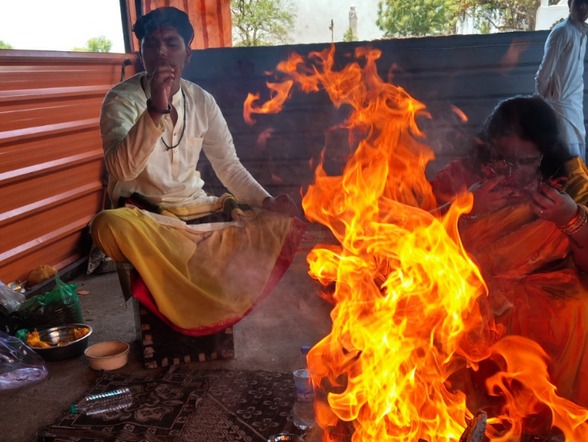
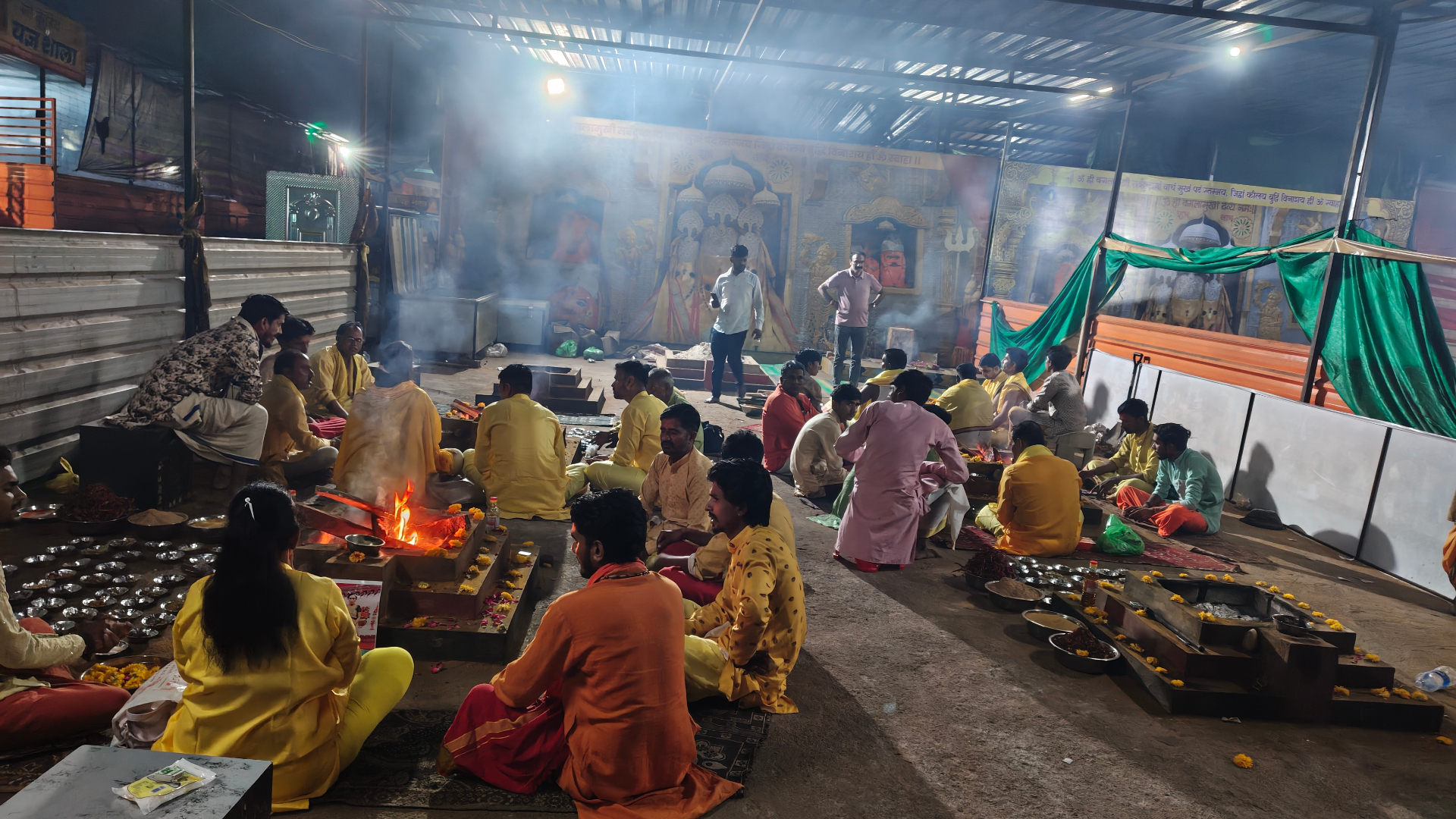
काष्ठ का महत्व चूर्ण जितना ही है। बगलामुखी हवन के लिए पारंपरिक काष्ठ पलाश, ज्वाला-वन का वृक्ष है, जिसे आम और पीपल की उचित व्यास की लकड़ियों से पूरक किया जाता है। हवन कुंड का निर्माण भी ज्यामितीय विशिष्टताओं के अनुसार किया जाता है — कुंड का अनुपात, ईंटों का स्थान, अग्नि का अभिविन्यास — सभी कुण्ड मण्डप शास्त्रों से व्युत्पन्न हैं।
गौ घृत अपने आप में एक चर्चा का विषय है। सभी घृत हवन के लिए उपयुक्त नहीं होते। शास्त्रीय आवश्यकता के अनुसार, यह स्वदेशी भारतीय गायों के दूध से बना घृत होना चाहिए, हस्त-निर्मित, किसी भी वनस्पति तेल या रासायनिक मिलावट से मुक्त। आधुनिक फैक्ट्री घृत, भले ही उसे शुद्ध बताया जाए, अक्सर इस मानक को पूरा करने में विफल रहता है। हम अपने हवन के लिए घृत हरिद्वार की एक छोटी डेयरी से प्राप्त करते हैं जो पारंपरिक तरीकों का पालन करती है, और हम कोई स्थानापन्न स्वीकार नहीं करते।
देवता-विशिष्ट सामग्री में जड़ी-बूटियों को गुणवत्ता के अनुसार वर्गीकृत किया जाता है। एक सड़क के किनारे की किराना दुकान से खरीदी गई हल्दी और मालवा क्षेत्र में जैविक रूप से उगाई गई, छांव में सुखाई गई, और सूती कपड़े में संग्रहीत हल्दी के बीच एक विशाल अंतर है। शास्त्र इस पर स्पष्ट है: अर्पण अपने उद्गम की चेतना को वहन करता है। रासायनिक उर्वरकों से उगाई गई और प्लास्टिक में संग्रहीत सामग्री, देखभाल से उगाई गई और सम्मान से संग्रहीत सामग्री के समान प्रभाव उत्पन्न नहीं करती।
राल — गुग्गुल, लोबान और धूप — अनुष्ठानिक वातावरण की सुगंधित रीढ़ हैं। गुग्गुल को सीधे अग्नि में अर्पित किया जाता है। लोबान को अलग से कोयले पर जलाया जाता है, जिससे मंडप में विशिष्ट घना धुआं भर जाता है। धूप, अगरबत्ती या कोन के रूप में, देवता की प्रतिमा के सामने जलाई जाती है। प्रत्येक राल का अनुष्ठानिक वातावरण और प्रतिभागियों की चेतना पर एक प्रलेखित प्रभाव होता है।
मात्रा संकल्प द्वारा शासित होती है। एक दिवसीय संकल्प हवन में कुल सामग्री कुछ सौ ग्राम हो सकती है। प्रतिदिन ग्यारह हजार आहुतियों सहित ग्यारह दिवसीय स्तंभन संकल्प में प्रतिदिन कई किलोग्राम सामग्री की खपत होगी। बहु-दिवसीय एक लाख आहुतियों वाला पूर्ण बगलामुखी महा-हवन सावधानीपूर्वक रसद की मांग करता है — सामग्री स्वच्छ सूती बोरियों में रखी जाती है, घृत तांबे के पात्रों में, यदि संभव हो तो पवित्र स्रोत से जल।
सामग्री का स्रोत गैर-विनिमेय है। हम अपनी अधिकांश सामग्री हरिद्वार और उज्जैन में स्थापित आपूर्तिकर्ताओं से प्राप्त करते हैं जिन्होंने पीढ़ियों से पारंपरिक पंडित परिवारों की सेवा की है। विशिष्ट वस्तुएं — पीतांबरी, कुछ दुर्लभ जड़ी-बूटियां, ताज़ा केसर — विश्वसनीय उत्पादकों के एक छोटे समूह से आती हैं। प्रत्येक संकल्प के लिए सामग्री ताज़ी तैयार की जाती है, कभी भी पुराने स्टॉक से उपयोग नहीं की जाती, और जब संभव हो तो भक्त या प्रायोजक के सामने तौली जाती है।
बाजार में शॉर्टकट उपलब्ध हैं, और भक्तों को उनके बारे में जागरूक रहना चाहिए। त्योहारों के स्टालों पर प्लास्टिक पाउच में बेची जाने वाली पूर्वनिर्मित हवन सामग्री अक्सर लकड़ी के चूरे, निम्न-श्रेणी की जड़ी-बूटियों और सिंथेटिक सुगंध का एक सामान्य मिश्रण होती है। यह एक छोटे परिवार के पूजा के लिए स्वीकार्य है जहाँ उद्देश्य दैनिक पूजा है न कि संकल्प निवारण। यह एक गंभीर जीवन स्थिति को संबोधित करने वाले संकल्प हवन के लिए स्वीकार्य नहीं है। शास्त्र स्पष्ट है: सामग्री को संकल्प की गंभीरता से मेल खाना चाहिए।
यदि आप हमारे साथ हवन प्रायोजित कर रहे हैं — नलखेड़ा में या दूरस्थ रूप से — तो आपको सामग्री की एक पूर्ण सूची अग्रिम रूप से प्राप्त होगी, जिसमें स्रोत और मात्रा प्रलेखित होंगे। हवन के बाद, शेष सामग्री या तो पूर्णाहुति के रूप में अग्नि को अर्पित की जाती है या प्रतिभागियों को प्रसाद के रूप में वितरित की जाती है। कुछ भी बेचा नहीं जाता, कुछ भी पुनः उपयोग नहीं किया जाता। यह परंपरा है, और हम इसे बिना किसी अपवाद के बनाए रखते हैं।
अंततः, सामग्री वह भाषा है जिसमें भक्त देवता से बात करता है। यदि असावधान भाषा का उपयोग किया जाता है, तो वार्ता सतही होती है। यदि एक सटीक, सम्मानजनक, शास्त्रीय रूप से स्थापित भाषा का उपयोग किया जाता है, तो वार्ता गहन हो जाती है। यही कारण है कि हम सामग्री को गंभीरता से लेते हैं — और क्यों हम प्रत्येक भक्त को इसके बारे में पूछने, इसकी जांच करने और यह समझने के लिए प्रोत्साहित करते हैं कि उनके वचनों पर क्या अर्पित किया जा रहा है।
जो भक्त सामग्री के व्यापक अनुष्ठानिक वास्तुकला को समझना चाहते हैं, उन्हें नलखेड़ा मूलपीठ पर हमारा निबंध उपयोगी लगेगा, साथ ही एक न्यायालयीन मामले के लिए ग्यारह दिवसीय संकल्प का प्रथम-व्यक्ति विवरण — बाद वाला यह दर्शाता है कि शास्त्रीय सामग्री, सही ढंग से तैयार और अर्पित की गई, दुनिया में दृश्यमान परिणामों में कैसे परिवर्तित होती है। इस अनुशासन का बिंदु सौंदर्य नहीं है। बिंदु यह है कि ठीक से अर्पित किया गया हवन दुनिया में ऐसे व्यवहार करता है जैसे असावधानी से अर्पित किया गया नहीं करता।
यदि आप हवन प्रायोजित करने पर विचार कर रहे हैं और किसी विशिष्ट संकल्प के लिए पूर्ण सामग्री सूची देखना चाहते हैं, तो हमारी पवित्र पेशकशों को ब्राउज़ करें और फिर आचार्य से बात करने के लिए संपर्क पृष्ठ का उपयोग करें। प्रत्येक पूजा की अपनी सामग्री सूची होती है, जो हरिद्वार और उज्जैन में स्थापित आपूर्तिकर्ताओं से प्राप्त की जाती है, और आपके संकल्प के लिए ताज़ी तैयार की जाती है। हवन शुरू होने से पहले प्रत्येक सामग्री के बारे में प्रश्न पूछने के लिए आपका स्वागत है — और आपको प्रोत्साहित भी किया जाता है।
हवन कुंड की ज्यामिति पर रुकना उचित है, क्योंकि अनुष्ठान का बड़ा प्रभाव इसी पर निर्भर करता है। कुंड केवल अग्नि का पात्र नहीं है। इसका आकार, अनुपात और अभिविन्यास संकल्प के इरादे के अनुसार विशिष्ट ऊर्जाओं को केंद्रित करने के लिए कैलिब्रेटेड होते हैं। सामान्य शुभता के लिए एक वर्गाकार कुंड का उपयोग किया जाता है। देवी साधना के लिए योनि-आकार का कुंड प्रयोग किया जाता है। लक्ष्मी पूजा के लिए कमल के आकार का कुंड उपयोग किया जाता है। भयंकर स्तंभन अनुष्ठानों के लिए एक त्रिकोणीय कुंड का उपयोग किया जाता है। कुंड बनाने वाली ईंटों को निर्धारित संख्या में और प्रत्येक परत पर विशिष्ट मंत्रों का जाप करते हुए रखा जाता है। सामग्री, भले ही कितनी भी शुद्ध हो, खराब बने कुंड की क्षतिपूर्ति नहीं कर सकती।
नलखेड़ा और वंश के अन्य पीठों में कुंड बनाने वाले पंडितों को यह ज्ञान पीढ़ियों से विरासत में मिला है। इसे किसी पुस्तिका से नहीं सीखा जाता है; इसे एक बड़े को कुंड बनाते हुए देखकर सीखा जाता है, अपनी पहली कोशिशों में ठीक किया जाकर, और वर्षों के अभ्यास से प्राप्त होने वाली स्पर्शीय परिचितता से विकसित किया जाता है। जब आप हमारे माध्यम से हवन प्रायोजित करते हैं, तो विशेषज्ञता की यह छुपी हुई परत वह हिस्सा है जो आपके संकल्प को प्राप्त होता है। आपने जिस सामग्री का भुगतान किया है, उसे ऐसे कुंड में अर्पित किया जाता है जिसकी प्रत्येक ईंट को इरादे के साथ रखा गया है।
प्रसाद पर एक अंतिम शब्द। आहुतियों के दौरान अग्नि द्वारा उपभोग नहीं की गई सामग्री या तो समापन के क्षण में पूर्णाहुति के रूप में अर्पित की जाती है या उपस्थित भक्तों को प्रसाद के रूप में वितरित की जाती है। प्रसाद सजावटी नहीं होता; यह पूरे अनुष्ठान की केंद्रित ऊर्जा को वहन करता है, और भक्तों को इसे उसी गंभीरता से प्राप्त करने की अपेक्षा की जाती है जिस गंभीरता से संकल्प लिया गया था। तुरंत एक छोटी चुटकी का सेवन करें, परिवार के भोजन में थोड़ा मिलाएं, और शेष को अपनी पूजा स्थली में एक स्वच्छ सूती थैली में रखें। सम्मान से संग्रहीत करने पर इसकी प्रभावकारिता समय के साथ कम नहीं होती है।
एक और बात पर ध्यान देना ज़रूरी है: सामग्री और मौसम के बीच संबंध। शास्त्रीय ग्रंथ विशिष्ट सामग्रियों को दिए जाने वाले महत्व में मौसमी भिन्नताएँ निर्दिष्ट करते हैं, जो पर्यावरण में दोषों के बदलते संतुलन के अनुरूप होती हैं। गर्म महीनों के दौरान, शीतलन सामग्री — चंदन, खस, सूखी गुलाब — को अधिक महत्व दिया जाता है। मानसून के दौरान, शुष्क और गर्म करने वाली सामग्री — सूखी अदरक, थोड़ी मात्रा में काली मिर्च, अतिरिक्त गुग्गुल — को प्राथमिकता दी जाती है। सर्दियों में, गर्म करने वाली घृत-युक्त भेंटों को पसंद किया जाता है। यह मौसमी अंशांकन एक और कारण है कि थोक में तैयार की गई, यह ध्यान दिए बिना कि इसका उपयोग कब किया जाएगा, पूर्वनिर्मित वाणिज्यिक सामग्री, ताज़ी तैयार पारंपरिक सामग्री का विकल्प नहीं हो सकती है। जब आप हमारे माध्यम से हवन प्रायोजित करते हैं, तो सामग्री अनुष्ठान की वास्तविक तिथि के लिए तैयार की जाती है, जिसमें उचित मौसमी समायोजन पहले से ही मिश्रण में निर्मित होता है।
सामग्री की सोर्सिंग की नैतिकता पर एक संक्षिप्त विचार जोड़ना उचित है। उच्च-गुणवत्ता वाली अनुष्ठानिक सामग्री के लिए पारंपरिक आपूर्ति श्रृंखला छोटे उत्पादकों, छोटी डेयरियों और छोटे राल संग्राहकों पर निर्भर करती है जो ऐसे पैमाने पर काम करते हैं जिसे औद्योगिक बाजार अलाभकारी मानता है। जब हम हरिद्वार में एक विशिष्ट डेयरी से घृत, मालवा क्षेत्र में एक विशिष्ट फार्म से हल्दी, गुजरात में एक विशिष्ट संग्राहक से गुग्गुल प्राप्त करते हैं, तो हम एक ऐसे आर्थिक पारिस्थितिकी तंत्र को भी बनाए रख रहे होते हैं जो अन्यथा गायब हो जाएगा। इसलिए, जो भक्त ठीक से प्राप्त सामग्री पर जोर देते हैं, वे संरक्षण के एक व्यापक कार्य में भाग ले रहे होते हैं — अनुष्ठान की गुणवत्ता का, पारंपरिक ज्ञान का, और उन छोटे उत्पादकों की आजीविका का जो पारंपरिक गुणवत्ता को संभव बनाते हैं। यह एक सच्चे हवन को प्रायोजित करने के शांत आयामों में से एक है, लेकिन यह एक नगण्य आयाम नहीं है।
✦ अक्सर पूछे जाते हैं ✦
भक्तों के प्रश्न
इस विषय से जुड़ी व्यक्तिगत साधना कैसे आरंभ करूँ?+
आचार्य विशाल वैष्णव से बात करें। वे आपकी स्थिति के अनुसार सरल दैनिक साधना एवं यथासमय नलखेड़ा पीठ पर उपयुक्त संकल्प पूजा का सुझाव देंगे।
यदि मैं यात्रा नहीं कर सकता तो क्या पूजा दूरस्थ रूप से सम्पन्न हो सकती है?+
हाँ। संकल्प आपके नाम एवं गोत्र से नलखेड़ा मूलपीठ पर लिया जाता है, तथा सम्पूर्ण अनुष्ठान का लाइव वीडियो साझा किया जाता है। प्रसाद एवं यंत्र बाद में कूरियर द्वारा भेजे जाते हैं।
क्या परंपरा प्रामाणिक एवं सत्यापन-योग्य है?+
प्रत्येक अनुष्ठान आचार्य विशाल वैष्णव के मार्गदर्शन में परंपरा-प्रशिक्षित पंडितों द्वारा मूल नलखेड़ा पीठ पर सम्पन्न होता है, तथा सामग्री प्रामाणिक स्रोतों से मंगवाई जाती है।
संपर्क कैसे करें?+
संपर्क फॉर्म का उपयोग करें, सीधे कॉल करें या व्हाट्सएप पर संदेश भेजें। किसी भी संकल्प की पुष्टि से पूर्व आचार्य प्रत्येक भक्त से व्यक्तिगत रूप से बात करते हैं।
✦ अगला चरण उठाएँ ✦
नलखेड़ा पीठ पर पूजा बुक करें
यदि यह लेख आपकी परिस्थिति से मेल खाता है, तो आचार्य से बात करें। प्रत्येक संकल्प व्यक्तिगत संवाद से आरंभ होता है।