नवरात्रि की नौ रात्रियाँ किस प्रकार तांत्रिक परंपरा की दस महान ज्ञान-देवियों से जुड़ती हैं।
नवरात्रि—नौ रात्रियाँ—हिंदू पंचांग में देवी की साधना के लिए सबसे शुभ काल होता है। यह वर्ष में चार बार आती हैं, जिनमें से चैत्र नवरात्रि (वसंत ऋतु में) और शारदीय नवरात्रि (शरद ऋतु में) मुख्य रूप से मनाई जाती हैं। अन्य दो, माघ और आषाढ़ नवरात्रि, मुख्य रूप से तांत्रिक साधकों द्वारा मनाई जाती हैं और इन्हें गुप्त नवरात्रि के रूप में जाना जाता है—छिपी हुई नौ रात्रियाँ—इस दौरान देवी साधना के गहरे स्तरों पर परंपरा अनुसार कार्य किया जाता है।
नवरात्रि का सार्वजनिक स्वरूप दुर्गा के नौ रूपों—शैलपुत्री, ब्रह्मचारिणी, चंद्रघंटा, कूष्मांडा, स्कंदमाता, कात्यायनी, कालरात्रि, महागौरी और सिद्धिदात्री—की पूजा है। ये नौ रूप गृहस्थ भक्तों के लिए देवी की सबसे सुलभ अभिव्यक्तियाँ हैं, और पूरे भारत में यह त्योहार उनके दैनिक पूजन, दुर्गा सप्तशती के पाठ और उनसे जुड़े सांस्कृतिक उत्सवों पर केंद्रित होता है।
इस सार्वजनिक अवलोकन के नीचे, तांत्रिक परंपरा नवरात्रि का उपयोग दस महाविद्याओं—काली, तारा, त्रिपुरा सुंदरी, भुवनेश्वरी, भैरवी, छिन्नमस्ता, धूमावती, बगलामुखी, मातंगी और कमला—की साधना के लिए करती है। महाविद्याएँ नौ दुर्गाओं के विपरीत नहीं हैं; वे उसी ब्रह्मांडीय स्त्री सिद्धांत की गहरी, अधिक विशिष्ट अभिव्यक्तियाँ हैं। नौ रात्रियाँ एक अनूठा केंद्रित अवसर प्रदान करती हैं जिसमें महाविद्या साधना, जो सामान्यतः लंबी अवधियों में की जाती है, घने और तीव्र परिणाम उत्पन्न कर सकती है।
माँ बगलामुखी के भक्तों के लिए, शारदीय नवरात्रि विशेष रूप से महत्वपूर्ण है। जबकि बगलामुखी जयंती, जो वैशाख मास की शुक्ल पक्ष में पड़ती है, उनकी पूजा का मुख्य वार्षिक दिन है, शारदीय नवरात्रि की नौ रातें एक सतत अवधि प्रदान करती हैं जिसमें प्रारंभ से अंत तक एक संरचित संकल्प लिया जा सकता है। कई भक्त जो वर्ष भर लंबी अनुष्ठान नहीं कर पाते हैं, वे इन नौ रात्रियों का उपयोग केंद्रित साधना को पूर्ण करने के लिए करते हैं।
बगलामुखी भक्त के लिए एक विशिष्ट शारदीय नवरात्रि संकल्प इस प्रकार होता है। पहले दिन, प्रातः काल में कलश स्थापना के साथ संकल्प लिया जाता है—पवित्र जल कलश की स्थापना—और भक्त का नाम, गोत्र और उद्देश्य बताते हुए औपचारिक संकल्प श्लोक का पाठ किया जाता है। व्यक्तिगत अनुष्ठान—दैनिक मंत्र गणना, आहार संबंधी अनुशासन, और वेशभूषा—इसी दिन से प्रारंभ होता है और बिना किसी बाधा के लगातार नौ दिनों तक चलता है।
नौ रात्रियों के दौरान हर शाम, भक्त बगलामुखी प्रतिमा के सामने एक छोटी गृह पूजा करते हैं: घी का दीपक जलाना, पीले फूल अर्पित करना, मूल मंत्र की निर्धारित संख्या में माला का जाप करना, और बगलामुखी स्तोत्र का पाठ करना। आहार संबंधी अनुशासन सात्विक होता है—कोई प्याज, लहसुन, शराब, मांसाहारी भोजन, या उत्तेजक पदार्थ नहीं। दिन में एक बार भोजन पारंपरिक मानदंड है, अन्य समय पर फल और दूध की अनुमति होती है।
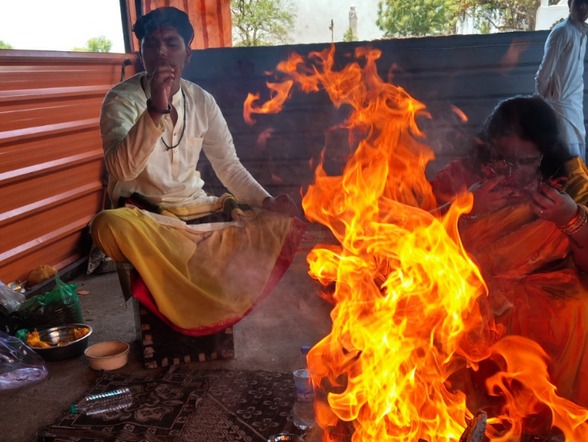
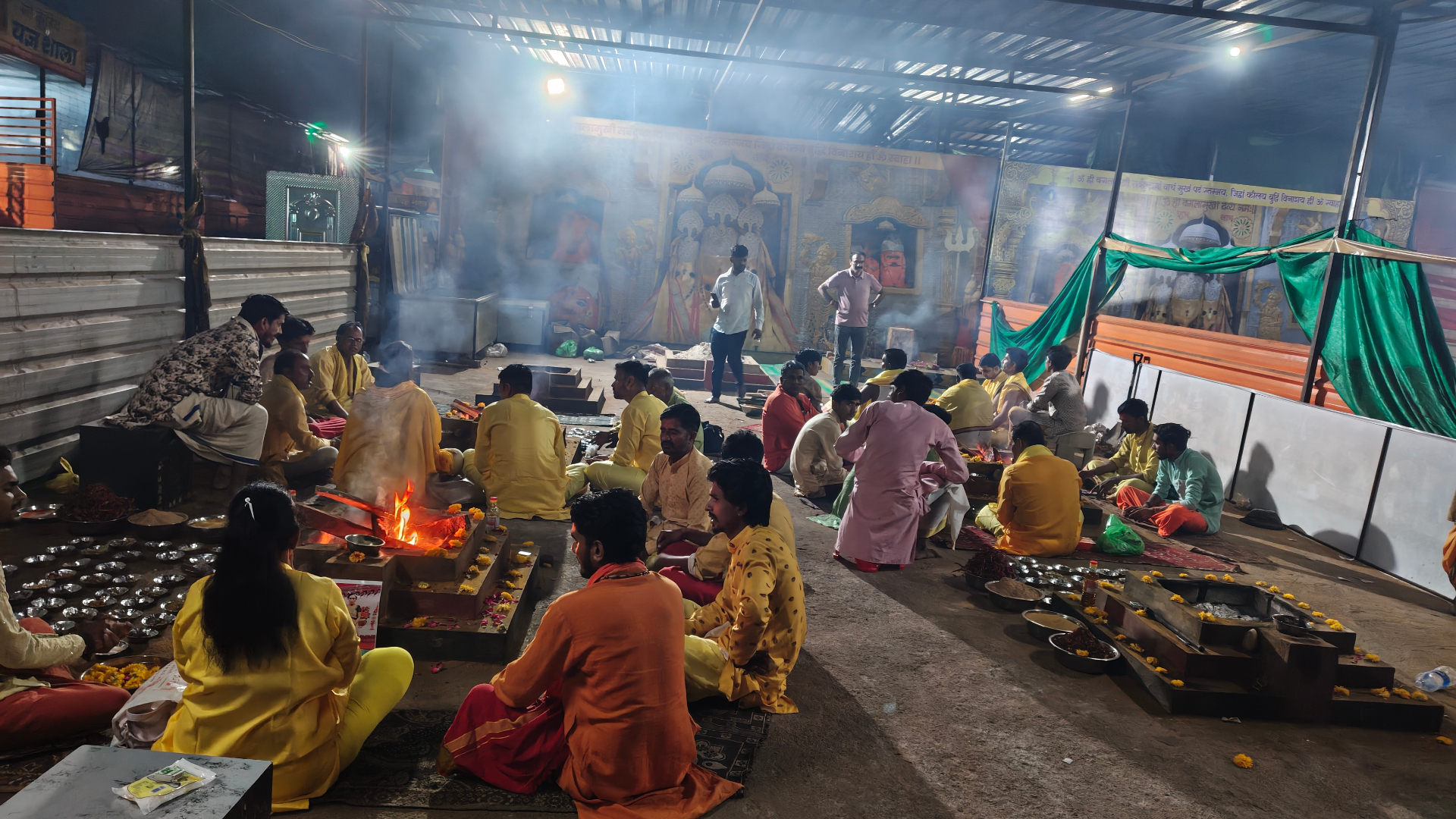
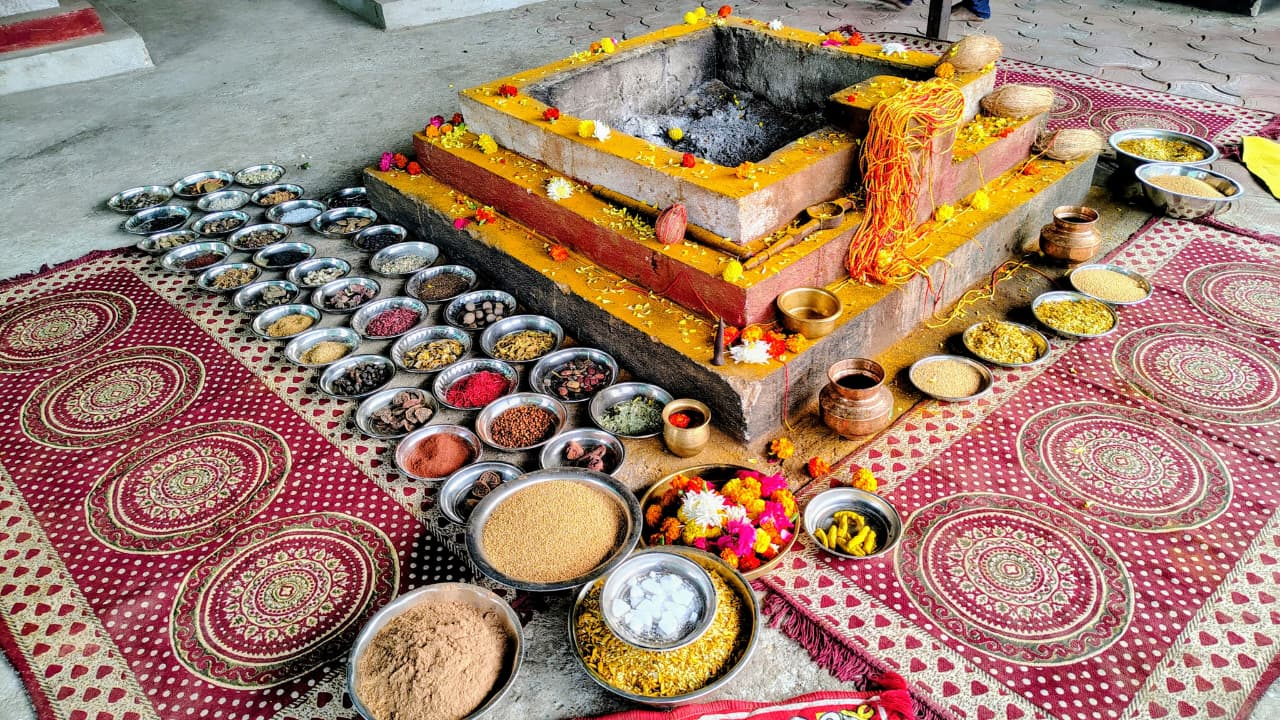
घर पर व्यक्तिगत साधना के साथ, कई भक्त पूरे नौ दिनों के लिए नलखेड़ा पीठ में समानांतर संकल्प हवन प्रायोजित करते हैं। मंदिर का हवन एक निश्चित अनुष्ठानिक संरचना प्रदान करता है, जिसे मूलपीठ में वंश-प्रशिक्षित पंडितों द्वारा पूर्ण सामग्री के साथ संपन्न किया जाता है, जबकि व्यक्तिगत साधना दैनिक अनुशासन प्रदान करती है जो भक्त को स्थायी स्तर पर मंदिर अनुष्ठान से जोड़ती है। दोनों मिलकर अकेले किसी भी एक से कहीं अधिक महत्वपूर्ण प्रभाव उत्पन्न करते हैं।
नौवें दिन—महानवमी—संकल्प पूर्णाहुति के साथ समाप्त होता है, जो हवन को समाप्त करने वाली अंतिम आहुति होती है। भक्त, चाहे मंदिर में उपस्थित हो या लाइव वीडियो के माध्यम से दूर से भाग ले रहा हो, देवी को पूरी साधना का अंतिम मानसिक अर्पण करता है। शेष सामग्री अग्नि को अर्पित की जाती है। कलश का जल प्रतिभागियों पर छिड़का जाता है। प्रसाद वितरित किया जाता है। दसवें दिन, विजयादशमी को, संकल्प को संसार में पूर्ण रूप से सक्रिय माना जाता है और भक्त सामान्य आहार और गतिविधि पर लौट आता है।
नवरात्रि संकल्प पर विचार कर रहे भक्तों के लिए कुछ व्यावहारिक सुझाव। कम से कम दो सप्ताह पहले तैयारी शुरू करें। आहार सामग्री—ताजे फल, दूध, कुट्टू का आटा, सेंधा नमक, घी—की व्यवस्था करें ताकि अंतिम समय की खरीदारी से आहार अनुशासन बाधित न हो। अपने घर में एक छोटी सी जगह पहचानें जिसे नौ दिनों के लिए स्वच्छ रखा जा सके और साधना के लिए समर्पित किया जा सके। अपने तत्काल परिवार को सूचित करें ताकि वे आपके द्वारा पालन किए जा रहे आहार और व्यवहारिक प्रतिबंधों को समझ सकें।
जहां तक संभव हो मौन बनाए रखें, विशेषकर सुबह की साधना के दौरान। नौ दिनों के दौरान सोशल मीडिया और समाचार उपभोग से बचें; सुबह में आप जो ध्यान क्षेत्र बनाते हैं वह बिना छनी जानकारी के शोर से आसानी से बाधित हो सकता है। जल्दी सोएं। भोर से पहले जागें। साधना से पहले स्नान करें। ये व्यावहारिक अनुशासन बढ़ते जाते हैं, और सातवें या आठवें दिन तक वे स्पष्टता और स्थिरता की स्थिति उत्पन्न करते हैं जो स्वयं नवरात्रि साधना के मुख्य फलों में से एक है।
जो भक्त किसी गंभीर जीवन स्थिति का सामना कर रहे हैं—एक अदालती मामला, एक शत्रुतापूर्ण प्रतिद्वंद्विता, एक अज्ञात हमला—उनके लिए नलखेड़ा में व्यक्तिगत गृह साधना के साथ शारदीय नवरात्रि संकल्प पारंपरिक रूप से उपलब्ध सबसे शक्तिशाली हस्तक्षेपों में से एक है। कम से कम एक महीने पहले हमसे समन्वय करें ताकि मूलपीठ में संकल्प को ठीक से व्यवस्थित किया जा सके, सामग्री तैयार की जा सके, और पहले दिन से पहले लाइव वीडियो कनेक्शन का परीक्षण किया जा सके।
जो भक्त बगलामुखी साधना में नए हैं, हम सुझाव देते हैं कि नवरात्रि शुरू होने से कम से कम दो सप्ताह पहले पीतांबरा देवी का परिचय पढ़ें, ताकि नौ रातें समझने के एक उचित तैयार ढांचे के भीतर घटित हों। यदि आप संकल्प के लिए नलखेड़ा नहीं जा सकते हैं, तो लाइव वीडियो पूजा पर हमारा नोट बताता है कि आपकी भौतिक स्थिति की परवाह किए बिना मूलपीठ में आपके नाम और गोत्र में अनुष्ठान कैसे स्थापित किया जाता है।
हम जो नवरात्रि-विशिष्ट पूजाएँ करते हैं, उन्हें देखने के लिए पवित्र अर्पणों को ब्राउज़ करें, और यदि आप पीठ में संकल्प प्रायोजित करना चाहते हैं, तो पहले दिन से कम से कम एक महीने पहले संपर्क पृष्ठ का उपयोग करें। तैयारी उस नवरात्रि के बीच अंतर है जो स्थायी परिवर्तन उत्पन्न करती है और उस नवरात्रि के बीच जो आधे-अधूरे इरादों के एक व्यस्त धुंधलके के रूप में गुजर जाती है।
वर्ष भर की चार नवरात्रियाँ एक सूक्ष्म लय बनाती हैं जो पूरे साधक पंचांग को संरचित करती हैं। वसंत में चैत्र नवरात्रि नए आरंभ से जुड़ी है और नए उपक्रमों से जुड़ी साधनाओं के लिए अनुकूल है। शरद ऋतु में शारदीय नवरात्रि सबसे सार्वजनिक और सबसे तीव्र है, और संचित स्थितियों के समाधान से जुड़े अनुष्ठानों के लिए अनुकूल है। शीत ऋतु में माघ नवरात्रि और मानसून में आषाढ़ नवरात्रि दो गुप्त नवरात्रियाँ हैं—गुप्त नौ रातें—जिनके दौरान गहरे महाविद्या साधनाएं परंपरा अनुसार नए साधकों द्वारा की जाती हैं। गृहस्थ भक्त के लिए, शारदीय नवरात्रि वार्षिक साधना का स्वाभाविक केंद्र है, चैत्र द्वितीयक अवलोकन के रूप में और दो गुप्त नवरात्रियाँ उन लोगों के लिए छोड़ी जाती हैं जिन्हें उचित दीक्षा प्राप्त है।
किसी भी नवरात्रि की नौ रात्रियों के दौरान दैनिक अनुशासन की एक विशिष्ट संरचना होती है। सुबह का समय स्नान, व्यक्तिगत पूजा और मंत्र साधना में सूर्योदय से पहले दिया जाता है। दिन का मध्य घर और पेशे की सामान्य जिम्मेदारियों में दिया जाता है, लेकिन वाणी, आहार और आचरण पर ध्यान दिया जाता है—कोई अनावश्यक बातचीत नहीं, व्रत नियमों के बाहर कोई भोजन नहीं, उत्तेजना पर कोई प्रतिक्रियात्मक जुड़ाव नहीं। शाम को पूजा स्थल पर देवता के साथ दूसरी बैठक के लिए लौटते हैं, घी का दीपक अर्पित करते हैं, और दिन की शेष मंत्र गणना पूरी करते हैं। रात जल्दी सोने के लिए दी जाती है और, आदर्श रूप से, आराम करने से पहले दुर्गा सप्तशती या बगलामुखी स्तोत्र का एक छोटा सा अंश पढ़ने के लिए दी जाती है।
भक्त अक्सर पूछते हैं कि जब नौ दिनों में से कोई विशेष दिन अपरिहार्य यात्रा कार्यक्रम या एक मांगलिक पेशेवर प्रतिबद्धता के बीच पड़ता है तो क्या करें। परंपरा इस बारे में व्यावहारिक है। मूल अनुशासन—सुबह की मंत्र गणना, आहार संबंधी व्रत, पीले वस्त्र—को बिना किसी अपवाद के बनाए रखना चाहिए। विस्तार—विस्तारित पूजा, लंबा बैठना, अतिरिक्त स्तोत्र पाठ—को ऐसे दिनों में कम किया जा सकता है और अगले दिन पूरा किया जा सकता है। जो कभी नहीं होना चाहिए वह पूरी तरह से चूक है। नवरात्रि के दौरान व्रत का एक भी दिन छूट जाने से पूरी नौ रात्रि की साधना का क्षेत्र टूट जाता है और पूरे चक्र को दोहराए बिना ठीक नहीं किया जा सकता।
जिन्होंने पूर्ण नवरात्रि संकल्प पूरा किया है, वे एक विशिष्ट नवरात्रि के बाद के चरण की रिपोर्ट करते हैं जिसके लिए तैयारी करना उचित है। विजयादशमी के तुरंत बाद के दिनों में, नौ रात्रि के अनुशासन की तीव्रता एक तुलनात्मक खुलेपन को रास्ता देती है जो, यदि सावधानी से ध्यान न दिया जाए, तो जल्दी से बिखर सकती है। परंपरा अगले सात दिनों में सामान्य जीवन में धीरे-धीरे लौटने की सलाह देती है। जल्दी उठना जारी रखें। हल्का आहार बनाए रखना जारी रखें। कम से कम मंत्र गणना का एक छोटा दैनिक भाग जारी रखें। यदि संभव हो, तो भारी सामाजिक पुनः जुड़ावों से बचें जो कई परिवार त्योहार के तुरंत बाद निर्धारित करते हैं, या कम से कम उन्हें इस जागरूकता के साथ करें कि नौ रात्रियों में खेती किया गया क्षेत्र अभी भी व्यवस्थित हो रहा है। यह नवरात्रि के बाद का सप्ताह अक्सर वह अवधि होती है जिसके दौरान साधना के गहरे प्रभाव दैनिक जीवन में दिखाई देने लगते हैं, और यह नौ रात्रियों के समान ही ध्यान देने योग्य है।
जिन भक्तों ने कभी पूर्ण नवरात्रि संकल्प नहीं किया है, उनके लिए पहला चक्र अनिवार्य रूप से सबसे अधिक मांगलिक होता है। आहार अनुशासन बाद में जितना महसूस होता है उससे कहीं अधिक भारी लगता है। जल्दी उठने में प्रयास लगता है। शाम की पूजा सामान्य घरेलू जिम्मेदारियों के साथ प्रतिस्पर्धा करती है। मंत्र गणना दिनों के बढ़ने के साथ सिकुड़ने के बजाय बढ़ती हुई प्रतीत होती है। यह सब सामान्य है और इनमें से किसी को भी यह संकेत नहीं माना जाना चाहिए कि साधना गलत जा रही है। उसी अनुशासन के साथ किए गए दूसरे पूर्ण नवरात्रि तक, अधिकांश भक्त रिपोर्ट करते हैं कि पूरी नौ रातें एक हल्केपन और स्पष्टता के साथ घटित होती हैं जो पहले चक्र में नहीं थी। परंपरा स्वयं साधक में चक्रों के माध्यम से परिपक्व होती है। इसलिए, निमंत्रण एक एकल परिपूर्ण नवरात्रि को पूरा करने का नहीं है, बल्कि कई वर्षों तक त्योहार के साथ एक लंबा संबंध बनाने का है, जिससे प्रत्येक क्रमिक चक्र पिछले वाले द्वारा शुरू किए गए को गहरा करने में मदद करता है।
✦ अक्सर पूछे जाते हैं ✦
भक्तों के प्रश्न
इस विषय से जुड़ी व्यक्तिगत साधना कैसे आरंभ करूँ?+
आचार्य विशाल वैष्णव से बात करें। वे आपकी स्थिति के अनुसार सरल दैनिक साधना एवं यथासमय नलखेड़ा पीठ पर उपयुक्त संकल्प पूजा का सुझाव देंगे।
यदि मैं यात्रा नहीं कर सकता तो क्या पूजा दूरस्थ रूप से सम्पन्न हो सकती है?+
हाँ। संकल्प आपके नाम एवं गोत्र से नलखेड़ा मूलपीठ पर लिया जाता है, तथा सम्पूर्ण अनुष्ठान का लाइव वीडियो साझा किया जाता है। प्रसाद एवं यंत्र बाद में कूरियर द्वारा भेजे जाते हैं।
क्या परंपरा प्रामाणिक एवं सत्यापन-योग्य है?+
प्रत्येक अनुष्ठान आचार्य विशाल वैष्णव के मार्गदर्शन में परंपरा-प्रशिक्षित पंडितों द्वारा मूल नलखेड़ा पीठ पर सम्पन्न होता है, तथा सामग्री प्रामाणिक स्रोतों से मंगवाई जाती है।
संपर्क कैसे करें?+
संपर्क फॉर्म का उपयोग करें, सीधे कॉल करें या व्हाट्सएप पर संदेश भेजें। किसी भी संकल्प की पुष्टि से पूर्व आचार्य प्रत्येक भक्त से व्यक्तिगत रूप से बात करते हैं।
✦ अगला चरण उठाएँ ✦
नलखेड़ा पीठ पर पूजा बुक करें
यदि यह लेख आपकी परिस्थिति से मेल खाता है, तो आचार्य से बात करें। प्रत्येक संकल्प व्यक्तिगत संवाद से आरंभ होता है।